















From Oil to EVs: East Africa charts dual energy future
From oil refining and storage to liquefied natural gas and cross-border pipelines, governments and private investors are laying the foundations for a more integrated and resilient energy system

Dar es Salaam. East Africa’s energy landscape is entering a decisive phase as a wave of large-scale infrastructure projects gathers momentum across the region.
From oil refining and storage to liquefied natural gas and cross-border pipelines, governments and private investors are laying the foundations for a more integrated and resilient energy system.
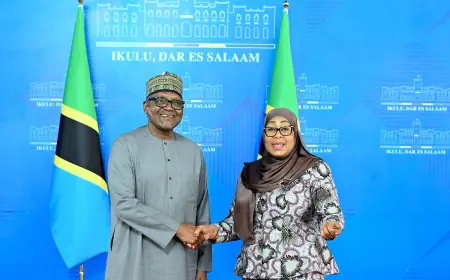
At the centre of this shift is Nigerian industrialist Aliko Dangote, who has committed to developing a multi-billion-dollar oil refinery in Tanga.
The proposed facility is expected to rival the scale of the Dangote Refinery in Nigeria and will process crude oil sourced from across East Africa, including South Sudan and Uganda.
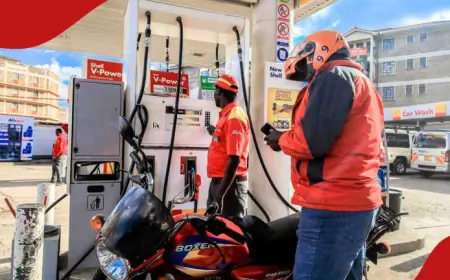
By establishing a regional refining hub, the project aims to curb reliance on costly imported petroleum products and bring greater stability to domestic fuel markets.
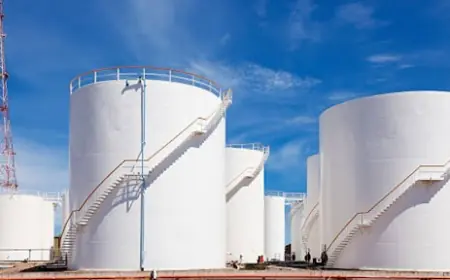
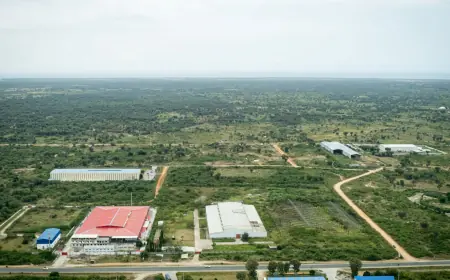
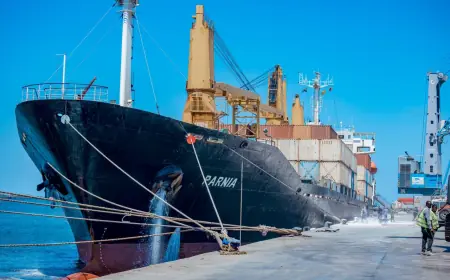
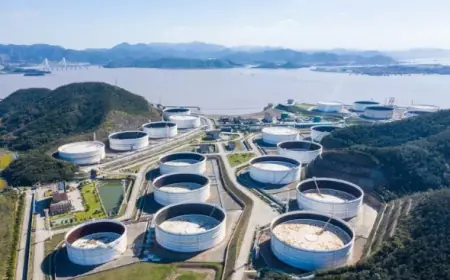
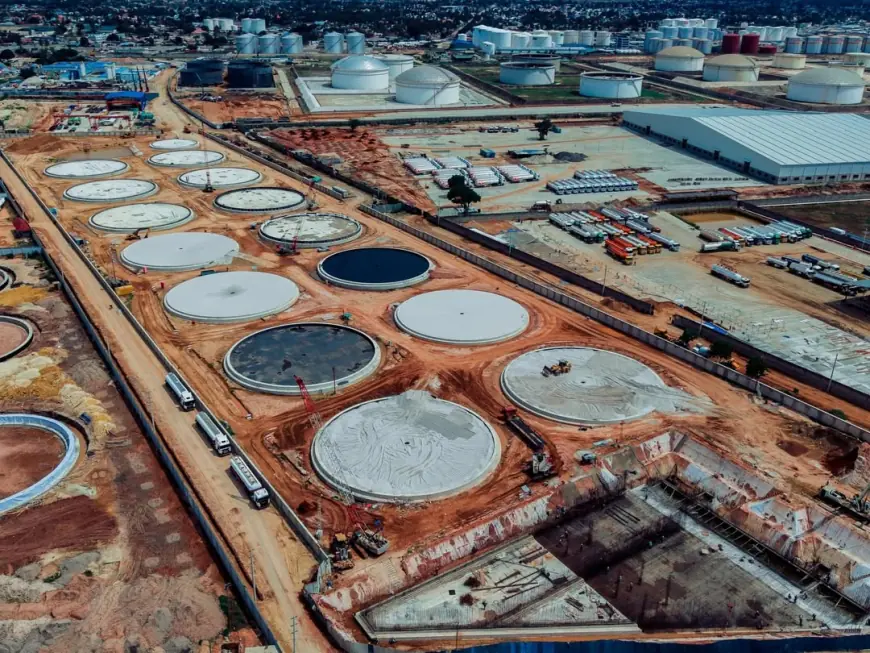
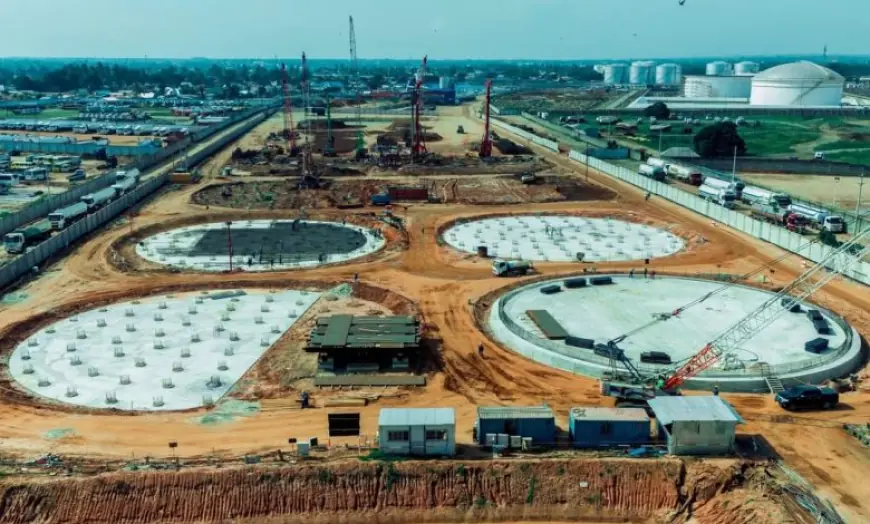
Parallel to this development, the Tanzania Ports Authority is advancing a major fuel storage initiative in Kigamboni.
The project involves the construction of 15 petroleum storage tanks with a combined capacity of 378,000 cubic metres.
Once operational, the facility is expected to ease congestion at port terminals, reduce vessel waiting times and eliminate demurrage costs that often drive up pump prices.
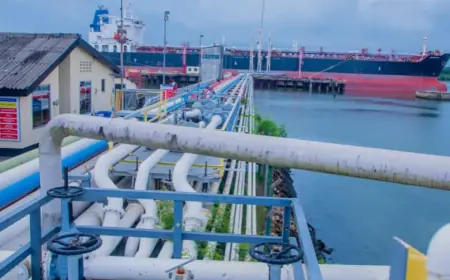
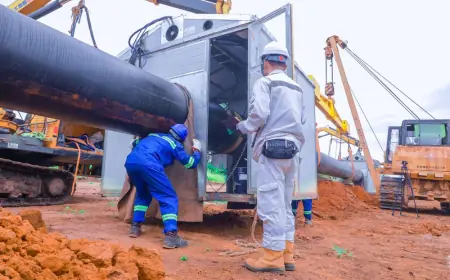
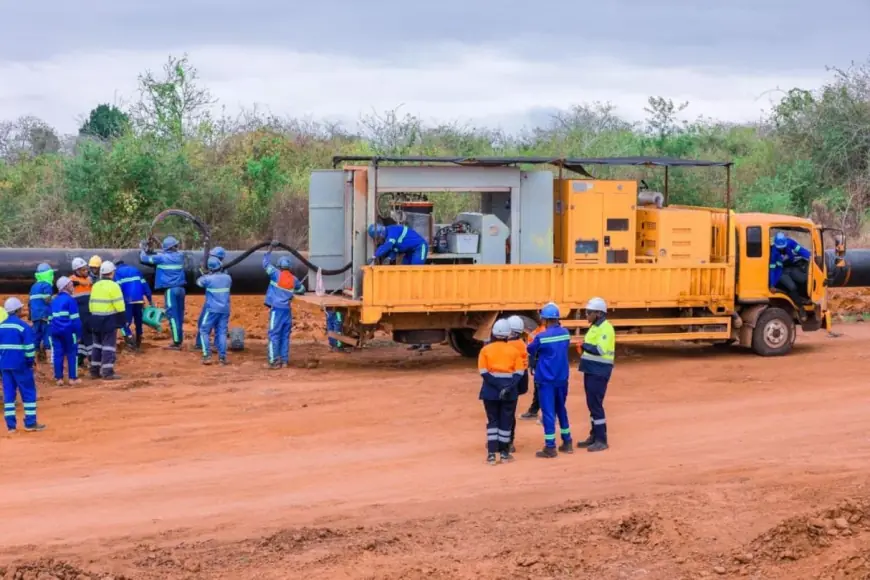
The initiative complements the broader ambitions of the East African Crude Oil Pipeline, which will transport crude oil from Uganda’s oilfields to the Tanzanian coast.
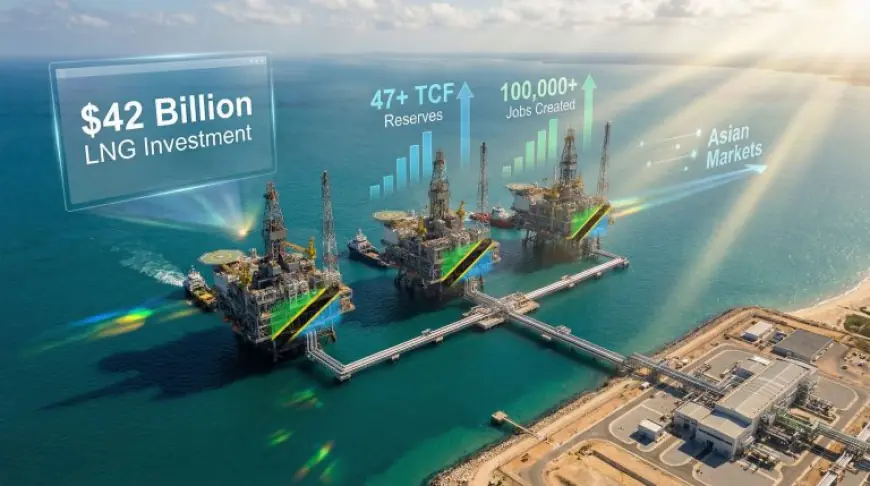
LNG train
While oil infrastructure remains central to immediate economic priorities, attention is also shifting towards natural gas as a long-term driver of industrialisation.
Tanzania’s $42 billion Lindi LNG project is approaching a critical stage, with final agreements anticipated by mid-2026.
In Kenya, the Dongo Kundu gas project in Mombasa is progressing, including plans for a 1.2-gigawatt gas-fired power plant to meet rising electricity demand.
Meanwhile, South Sudan continues to explore alternative export routes, including pipelines towards the Kenyan coast, in a bid to optimise the value of its oil reserves.
Lessons from global energy hubs
As East Africa expands its oil and gas infrastructure, it faces choices similar to those encountered by established energy producers.
The experience of Norway offers a compelling model.
Through disciplined fiscal management and the establishment of a sovereign wealth fund, Norway converted oil revenues into long-term national wealth.
For East Africa, the challenge lies in avoiding short-term expenditure that could fuel inflation while neglecting investment in infrastructure, education and industrial capacity.
In contrast, countries such as Qatar and the United Arab Emirates demonstrate the advantages of integrating gas resources into domestic industry.
By using natural gas to generate affordable and reliable power, these nations have supported the growth of energy-intensive sectors such as petrochemicals and metals.
East Africa’s emerging gas projects could follow a similar trajectory, prioritising industrial development over raw exports.
The critical minerals opportunity
Alongside fossil fuel investments, East Africa is positioning itself within the global transition towards cleaner energy.
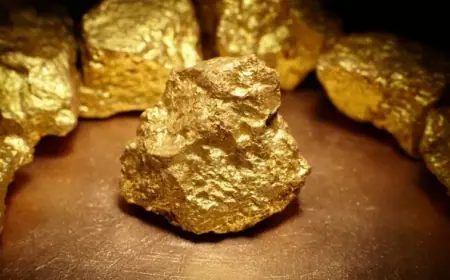
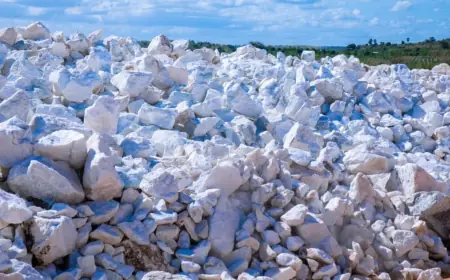
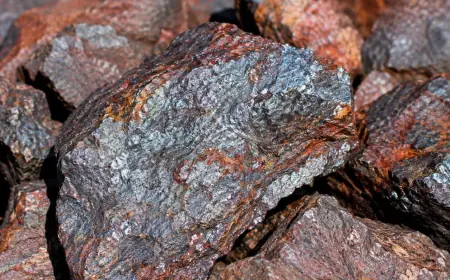
The region holds significant reserves of critical minerals, including graphite and lithium, both essential for battery production.
In Tanzania, new initiatives are focusing on processing natural graphite for use in lithium-ion batteries, signalling a shift from extraction to value addition.
The experience of Indonesia provides a relevant case study.
By restricting exports of raw nickel ore, Indonesia compelled investors to establish domestic processing facilities, thereby capturing greater value from its resources.
However, this strategy has also raised environmental concerns.
East Africa faces the task of balancing industrial ambition with sustainability, ensuring that mineral processing is powered by renewable energy sources such as geothermal and hydropower.
Building an electric vehicle ecosystem
The transition towards green energy extends beyond mining into manufacturing.
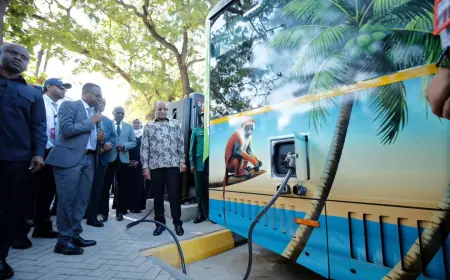
Plans for an electric vehicle assembly plant in Mombasa, expected to commence operations in 2026, point to a broader ambition to develop a regional EV industry.
Success in this area will depend on policy coordination and market integration.
The experience of China illustrates the importance of aligning public policy with private investment. China’s rise in the EV sector was underpinned by extensive charging infrastructure, regulatory support and standardisation.
In East Africa, fragmented tax regimes across Kenya, Tanzania and Uganda have posed a barrier to scale.
The adoption of the East African Community Manufacturing Regulations in 2025 marks a step towards harmonisation.
The framework introduces a tiered system that incentivises manufacturers to progress from basic assembly to full-scale component production.
By treating the region as a unified market of more than 300 million people, policymakers aim to attract sustained industrial investment.
A dual-track energy future
The convergence of oil, gas and green energy investments presents East Africa with a strategic opportunity.
Existing projects, from the Tanga refinery to Lindi LNG, can secure energy supply in the near term, while investments in critical minerals and electric mobility lay the groundwork for long-term transformation.
The central challenge will be policy coherence. Aligning mining regulations with industrial strategies and regional trade frameworks will determine whether the region can move beyond raw resource extraction.
If value chains are successfully integrated, linking Tanzanian graphite, Ugandan lithium and Kenyan manufacturing, East Africa could emerge as a competitive player in the global energy economy.
What's Your Reaction?
 Like
0
Like
0
 Dislike
0
Dislike
0
 Love
0
Love
0
 Funny
0
Funny
0
 Angry
0
Angry
0
 Sad
0
Sad
0
 Wow
0
Wow
0