






































East African leaders in talks with Dangote over multi-billion refinery project in Tanga
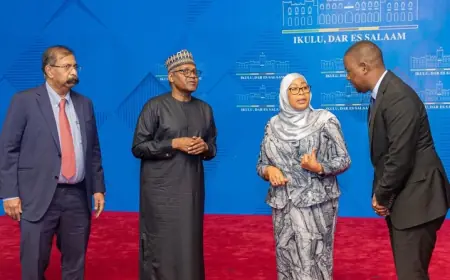
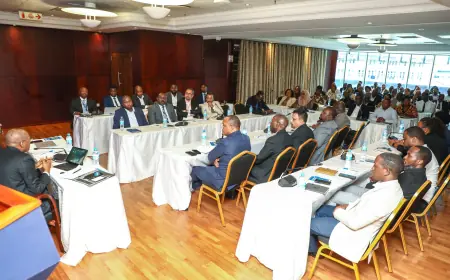
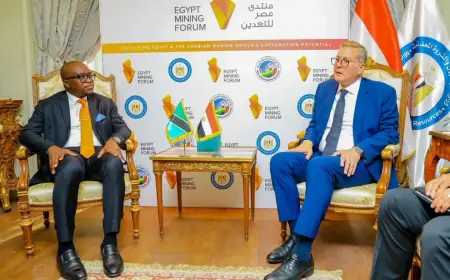
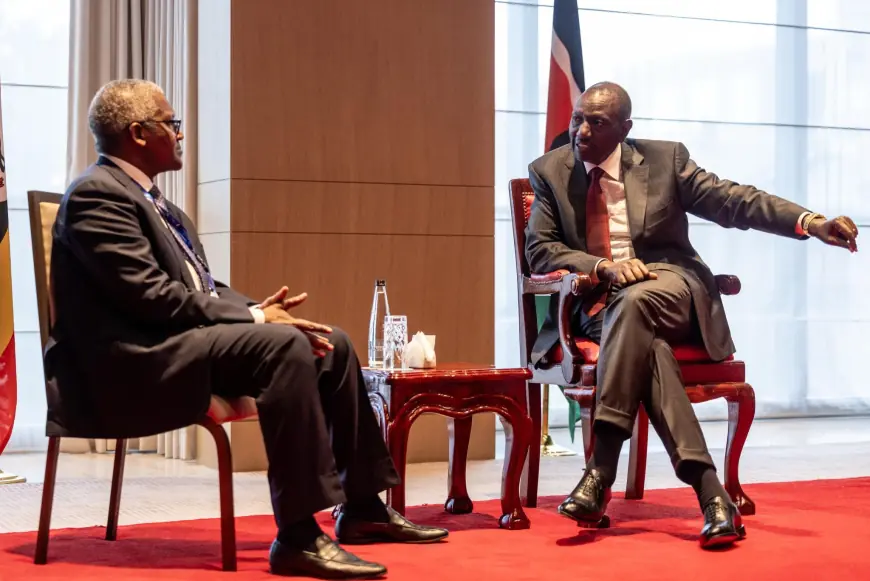
The talks, which reportedly involve the Presidents of Kenya and Uganda, alongside regional energy stakeholders, seek to establish a shared refinery capable of processing crude oil from across the East African Community (EAC) and beyond

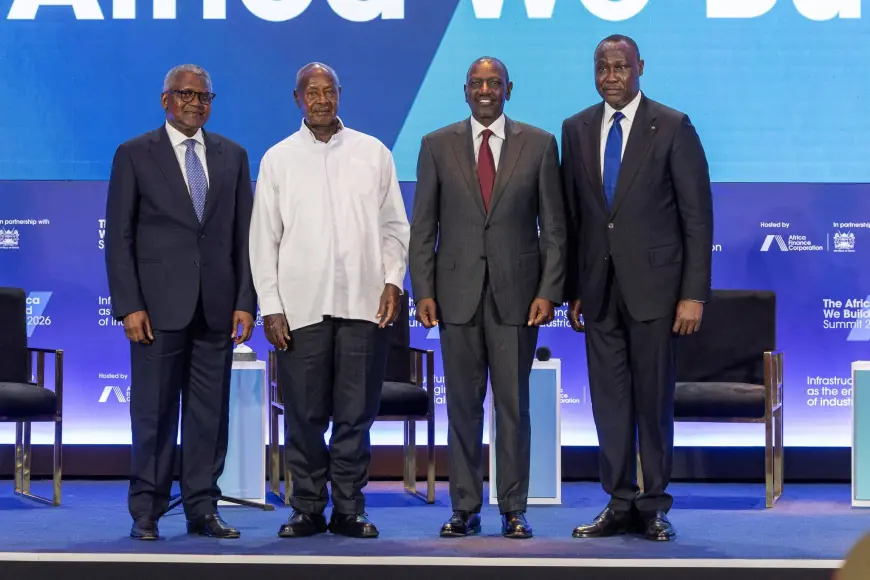
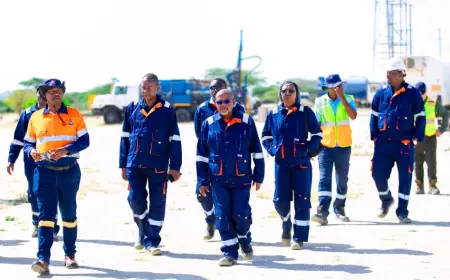
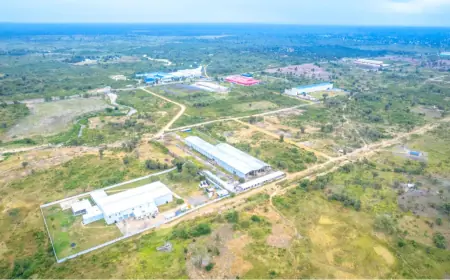
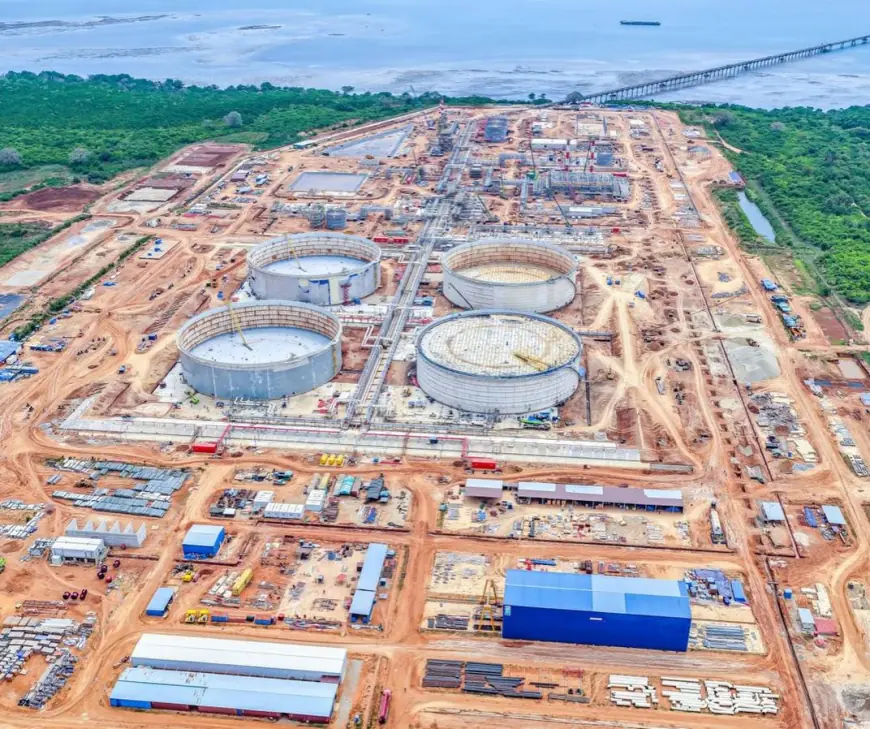
Nairobi. East Africa is edging closer to a potentially transformative energy infrastructure shift, as Uganda, Kenya and Tanzania enter discussions with Nigerian industrialist Aliko Dangote over the construction of a major oil refinery in Tanzania’s northern port city of Tanga.
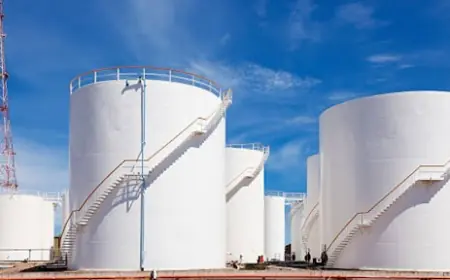
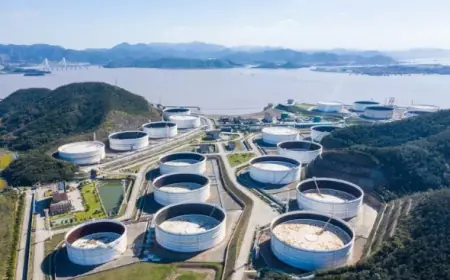
The proposed facility, inspired by the scale and output of the Dangote Petroleum Refinery in Nigeria, is being framed as a strategic response to the region’s long-standing dependence on imported refined fuels.
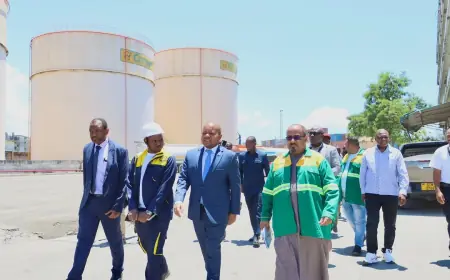
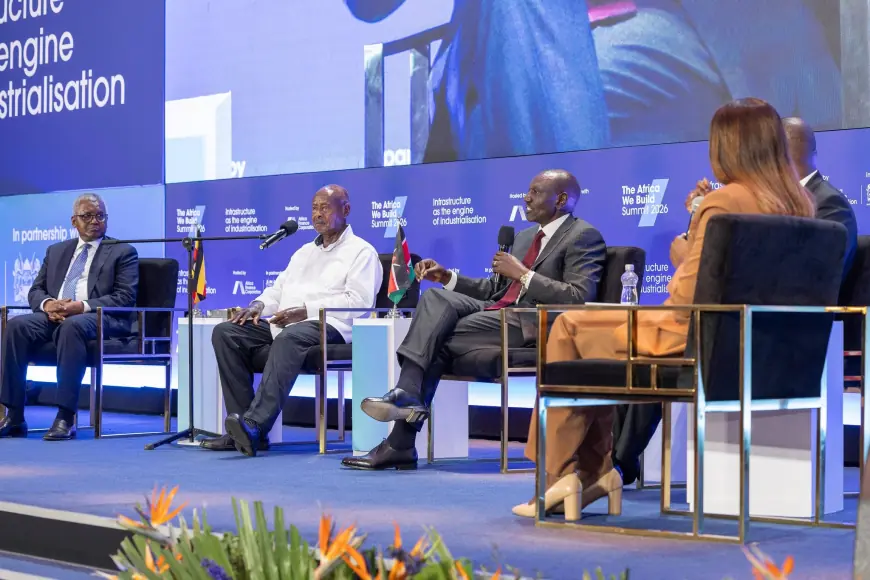
The talks, which reportedly involve the Presidents of Kenya and Uganda, alongside regional energy stakeholders, seek to establish a shared refinery capable of processing crude oil from across the East African Community (EAC) and beyond.
According to President William Ruto, the facility would refine crude from countries including Uganda, Kenya, South Sudan and the Democratic Republic of the Congo, supplying petroleum products across the region and reducing exposure to volatile international markets.
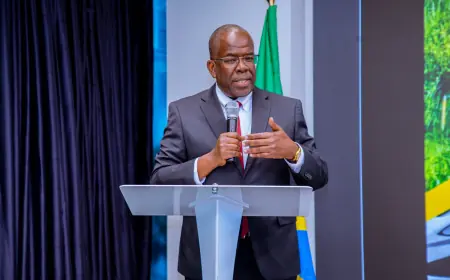
Aliko Dangote has publicly indicated willingness to spearhead the project, provided there is firm political and financial backing from regional governments.
His proposal mirrors the model of his 650,000-barrel-per-day complex in Nigeria, which has become Africa’s largest refinery and a central pillar in regional fuel supply dynamics.
A region heavily dependent on imports
Africa’s refined fuel dependency remains structurally high. The Africa Finance Corporation has warned that the continent could face an 86 million-tonne fuel shortfall by 2040 if refining capacity is not expanded.
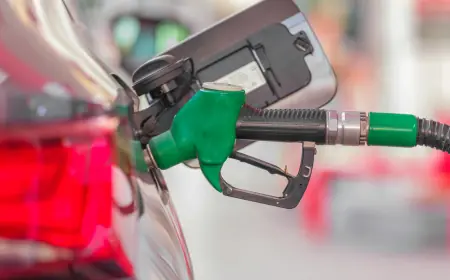
It also estimates that Africa currently imports more than 70 per cent of its refined petroleum products, alongside hundreds of billions of dollars in essential commodities annually.
This dependence has left economies vulnerable to global shocks, particularly recent disruptions linked to geopolitical tensions in the Middle East.
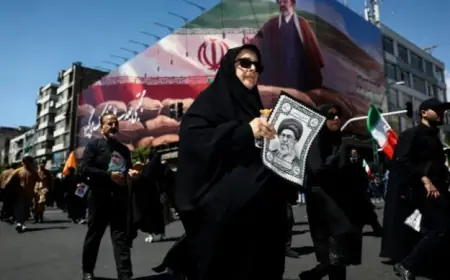
The ongoing Iran-related conflict has intensified these vulnerabilities, tightening global supply chains and pushing oil prices higher.
Analysts note that shipping disruptions and insurance costs have increased, while fuel-importing countries in Africa are experiencing inflationary pressure and foreign exchange strain.
Dangote refinery as a continental benchmark
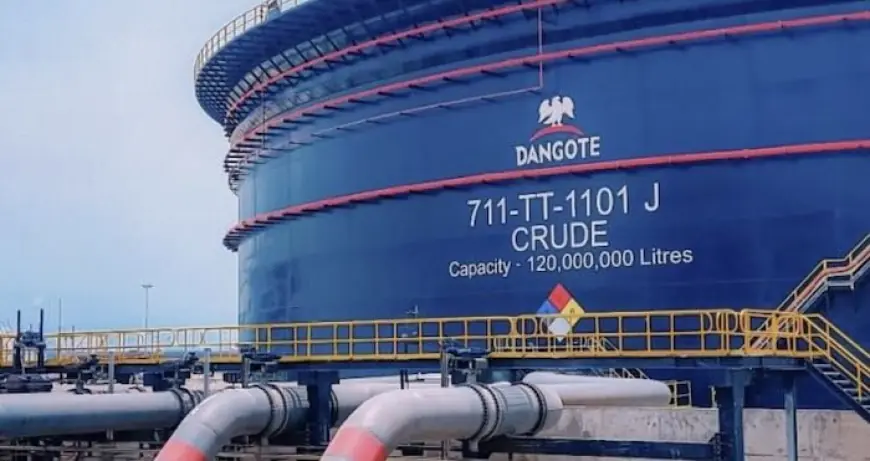
The Dangote Refinery in Nigeria, commissioned at massive scale, has reshaped regional fuel trade flows since it reached operational stability.
It has significantly increased intra-African refined product exports, supplying multiple countries including Tanzania, Ghana and Cameroon, while reducing reliance on European and Middle Eastern imports.
Beyond its commercial significance, the refinery is increasingly viewed as a template for African industrial self-sufficiency in energy.
Its operational model—large-scale private investment combined with state support—has become central to current discussions in East Africa.
Uganda’s parallel refinery ambitions
Uganda’s participation in the Tanga discussions comes alongside its own long-standing plans to develop a domestic refinery in Hoima.
The project, initially conceived to process crude from the Lake Albert oil fields, has faced repeated delays due to financing constraints and shifting investment arrangements.
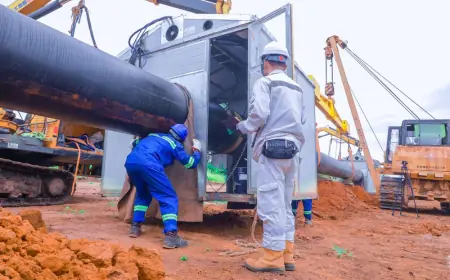
The East African Crude Oil Pipeline (EACOP), which is designed to transport Uganda’s crude to Tanga for export, remains a key enabling infrastructure for both Uganda’s refinery ambitions and broader regional export strategy.
EACOP stretches approximately 1,443 kilometres from western Uganda to Tanzania’s Tanga coast.
It is one of the world’s longest heated crude oil pipelines and is currently under construction with significant progress reported on financing and physical works.
However, the project has also attracted scrutiny over environmental, social and compensation concerns along its route.
Some affected communities in Uganda have reported dissatisfaction with livelihood restoration programmes and compensation processes linked to land acquisition.
Historical context: shifting refinery ambitions
The renewed push for a regional refinery comes against the backdrop of earlier, fragmented efforts to build national refining capacity.
Uganda’s refinery project has been restructured several times over the past decade, while Kenya has periodically considered expanding or upgrading its own ageing refining infrastructure.
Historically, East Africa has struggled to sustain large-scale refining operations due to high capital costs, fluctuating crude availability, and competition from imported fuel markets.
This has left the region structurally dependent on external suppliers, particularly in the Middle East and Asia.
Strategic role of EACOP and Tanga
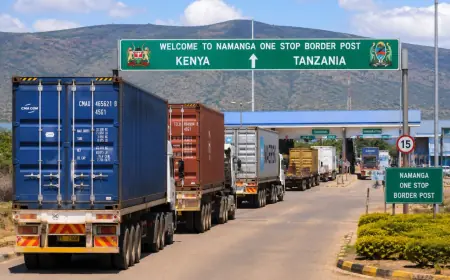
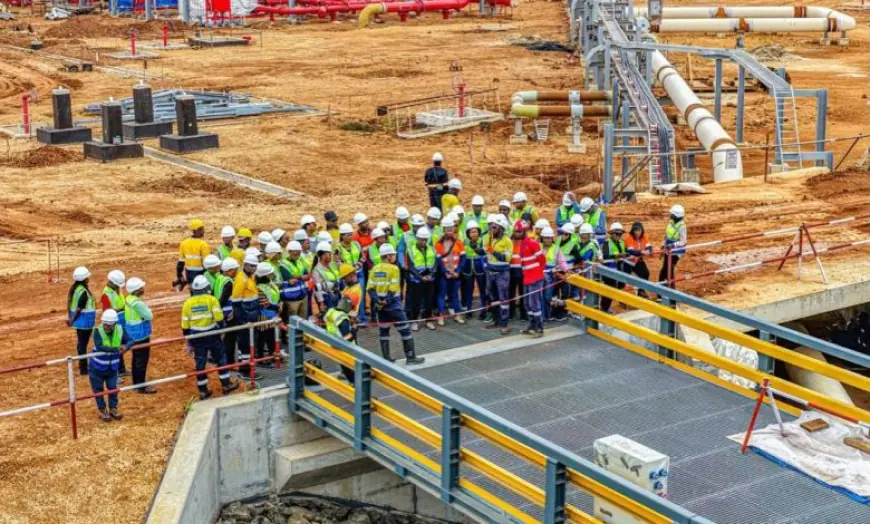
Tanga’s selection as a potential refinery hub is closely tied to its role in the EACOP value chain and its coastal access to international shipping routes.
The port is already positioned as the export terminal for Ugandan crude under current pipeline plans, making it a logical aggregation point for both crude processing and refined product distribution.
The integration of pipeline infrastructure and refining capacity is being presented as a way to maximise value addition within the region rather than exporting unprocessed crude oil.
Global energy instability as a catalyst
The urgency surrounding the project is being reinforced by global market instability.
The Iran-related conflict has disrupted key shipping corridors and contributed to volatility in global oil pricing, exposing import-dependent economies to supply shocks and inflationary pressures.
For East African policymakers, this has underscored the risks of continued reliance on imported refined fuels, particularly in the absence of robust strategic reserves or regional refining capacity.
Outlook
While discussions remain at an early stage, the proposed refinery in Tanga represents one of the most ambitious energy integration efforts in East Africa’s recent history.
If realised, it would mark a structural shift in how the region sources, processes and distributes fuel.
However, significant questions remain over financing models, governance structures, environmental safeguards, and the alignment of national interests within a shared regional facility.
For now, the proposal stands at the intersection of energy security ambitions and the realities of complex regional coordination.
What's Your Reaction?
 Like
0
Like
0
 Dislike
0
Dislike
0
 Love
0
Love
0
 Funny
0
Funny
0
 Angry
0
Angry
0
 Sad
0
Sad
0
 Wow
0
Wow
0