

























































Efforts to turn Lake Tanganyika into maritime logistics lifeline underway
What was once a tranquil inland waterway, evocative of history and natural beauty, is rapidly evolving into a pulsating industrial corridor at the heart of East and Central Africa’s economic renaissance

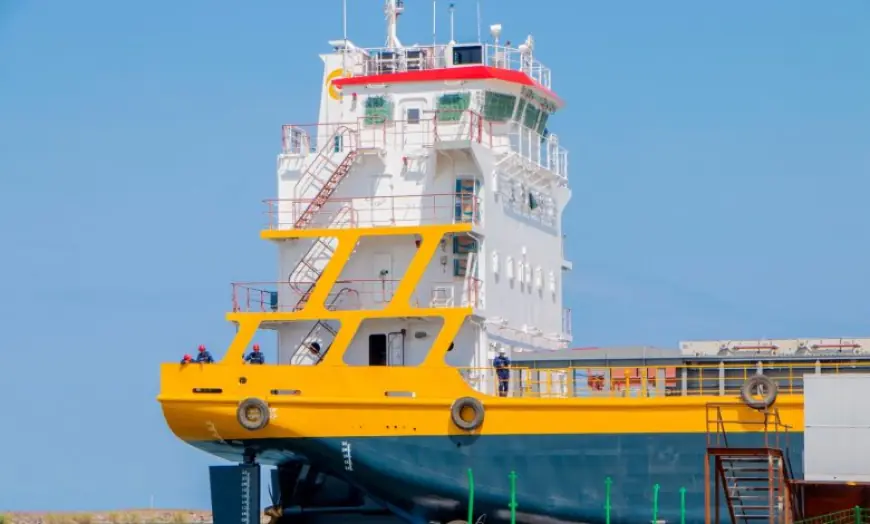
Karema. For decades, Lake Tanganyika’s vast potential lay dormant, whispering of prosperity yet stifled by inadequate infrastructure.
Today, that slumber is ending.
What was once a tranquil inland waterway, evocative of history and natural beauty, is rapidly evolving into a pulsating industrial corridor at the heart of East and Central Africa’s economic renaissance.
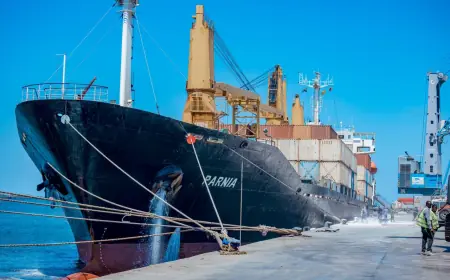
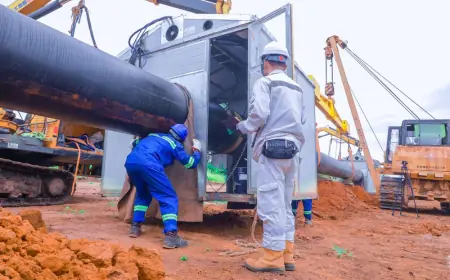
The vessel of change is already taking shape at Karema Port in Tanzania, where four monumental cargo ships, each with a carrying capacity of 2,000 tonnes, are nearing completion and poised to reshape regional trade.
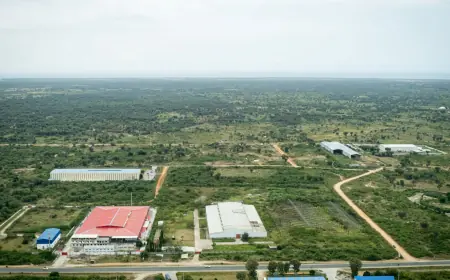
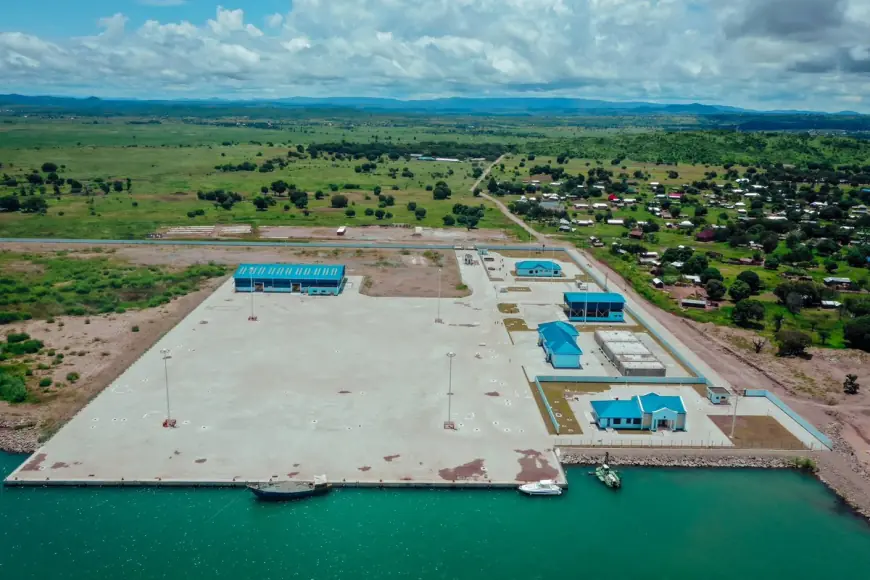
Nestled on the eastern shore of Lake Tanganyika in Tanzania’s Katavi Region, Karema Port encapsulates a new strategic vision.
It is no longer a modest terminal but an emerging hub that promises to connect the interiors of the Democratic Republic of Congo (DRC), Burundi and Zambia with global markets through Tanzania’s deep-water seaports.
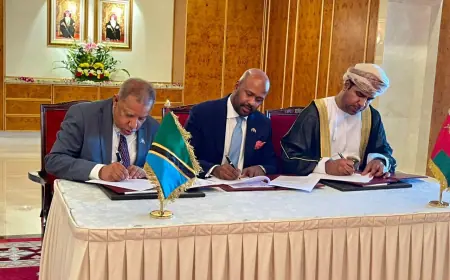
This metamorphosis is driven by deliberate policy choices and imaginative partnerships between the public and private sectors, notably the lease agreement with Gold Voyage Logistics, a subsidiary of the global mining conglomerate Zijin Mining, which has been entrusted with ship construction.
The significance of this transformation cannot be overstated.
The new vessels are expected to be fully operational by mid-2026, and are destined to become more than mere conveyances of cargo, they are instruments of economic liberation.
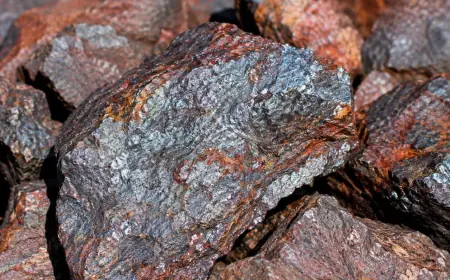
They will serve as lifelines for mineral exports, ferrying high-value commodities such as lithium, copper and gold from production hubs like Manono in the DRC across the lake to ports connected to Tanzania’s continental logistics network.
Yet the impact extends far beyond mining.
For the millions of small-scale farmers and fishers who line the lake’s shores, the cost and complexity of transporting goods to market have long been prohibitive.
These new maritime arteries will dramatically reduce logistical barriers, enabling rural producers to access regional and international buyers with greater ease and reliability.
Where once the lake represented a barrier, it will become a bridge, binding communities in shared economic pursuit.
This vision, however, unfolds not in isolation but as part of a broader, meticulously plotted infrastructure ecosystem.
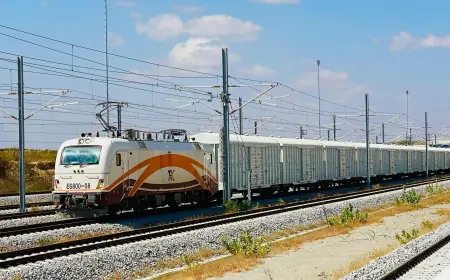
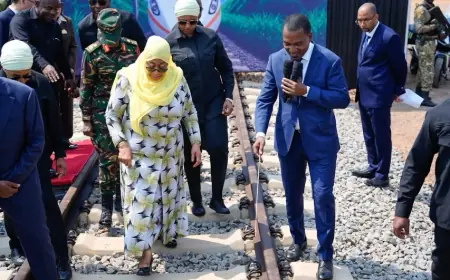
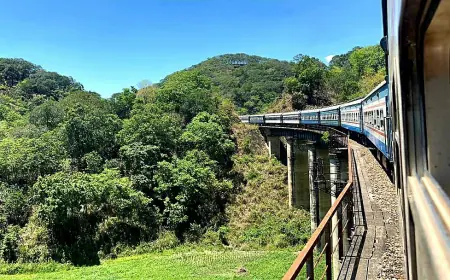
The integration of waterborne transport with rail networks is central to unlocking the lake’s full potential. Tanzania’s ambitious Standard Gauge Railway (SGR) expansion will ultimately link Kigoma Port with Tabora and on to Dar es Salaam, knitting inland waterways into a seamless corridor that stretches to the Indian Ocean.
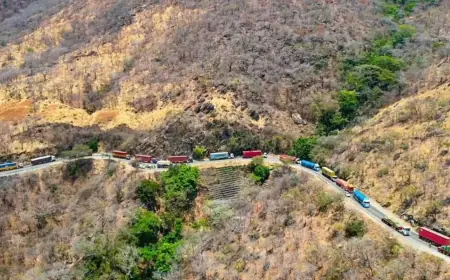
Moreover, a burgeoning network of feeder roads, such as the ongoing Mpanda–Karema link—will support first-mile and last-mile connectivity, ensuring that cargo moves with efficiency from hinterland to shore.
This multi-modal integration is more than engineering, it is a strategic imperative.
By joining rail, road and water transport into a cohesive whole, Tanzania aspires to position itself as the pre-eminent logistics hub for the Great Lakes region.
This integrated model promises to reduce costs, accelerate transit times and increase reliability, thereby making Tanzanian routes preferable to alternatives that have historically been slower, more expensive and less dependable.
The effects on employment and skills development are already tangible.
The construction and outfitting of the new vessels have provided technical training opportunities for hundreds of young Tanzanians.
Once in operation, each ship will require a trained crew and will catalyse ancillary industries in cargo handling, maintenance and port services, creating a ripple of economic opportunity throughout the region.
The message from government leadership has been consistent and clear: strategic investment, coupled with an enabling environment for private capital, will unlock the latent promise of the western transport corridor.
Revenues from port operations across Tanzania, including inland ports, are projected to rise significantly in the coming financial years as part of a comprehensive expansion strategy by the Tanzania Ports Authority (TPA).

Critically, this renaissance is not solely a Tanzanian affair. Cross-border cooperation with the DRC is underway to modernise Kalemie Port, creating an uninterrupted logistics chain that respects both sides of the lake. Rail infrastructure projects, with links to Burundi and beyond, further bind the region’s economies, offering new corridors for trade in minerals and manufactured goods alike.
The industrialisation of Lake Tanganyika will ultimately require sustained political will and continued investment.
Yet what is unfolding today should dispel any doubts about the lake’s capacity to alter regional fortunes.
Once the vessels depart their moorings and the interconnected transport network comes online, history will record a defining moment in the economic transformation of eastern and central Africa.
For the communities that have lived for generations on the lakeshores—fisherfolk, farmers, traders and transport workers alike—the horizon has never seemed more promising.
A waterway that once carried the weight of colonial legacies and logistical neglect is now poised to carry the cargo of a future defined by integration, growth and shared prosperity.
What's Your Reaction?
 Like
0
Like
0
 Dislike
0
Dislike
0
 Love
0
Love
0
 Funny
0
Funny
0
 Angry
0
Angry
0
 Sad
0
Sad
0
 Wow
0
Wow
0