











































































TRA introduces pre-tax clearance arrangements for fuel consignments
By requiring advance payment, the TRA intends to increase transparency and prevent the illegal diversion of export-bound fuel into the local market

Dar es Salaam. The Tanzania Revenue Authority (TRA) has introduced a mandatory pre-tax clearance procedure for petrol and diesel.
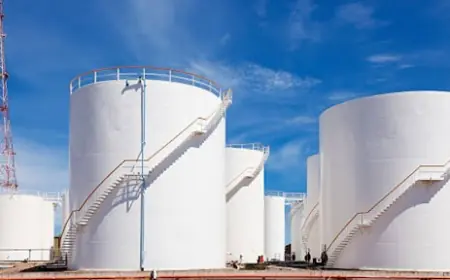
Under these new regulations, fuel owners must settle all tax obligations before products are released from storage depots for domestic sale.
The measure aims to eliminate distribution bottlenecks and ensure a consistent supply for consumers.
By requiring advance payment, the TRA intends to increase transparency and prevent the illegal diversion of export-bound fuel into the local market.
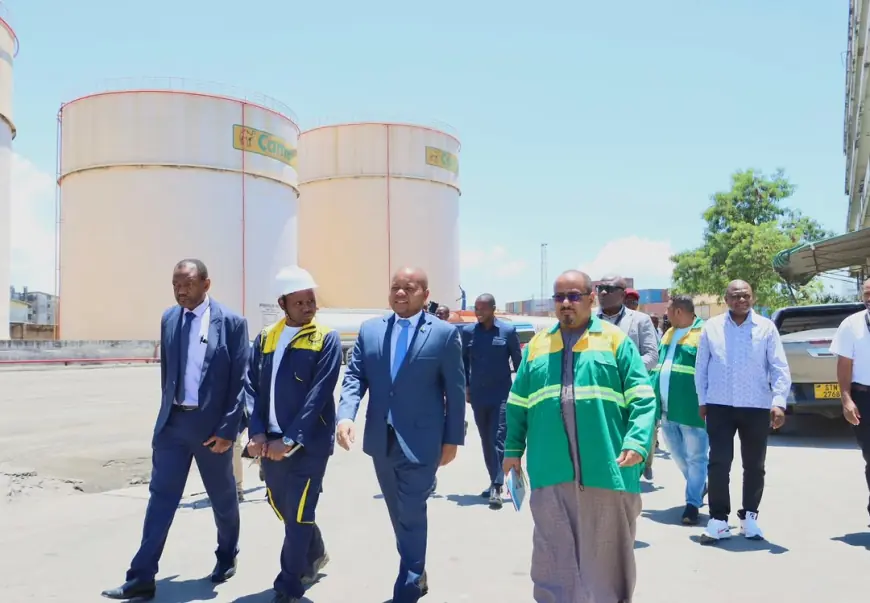
TRA Commissioner General, Yusuph Juma Mwenda, recently conducted inspections at several major fuel depots in Dar es Salaam, including Camel Oil, Moil Energies, and Mount Meru.
During these visits, Mr Mwenda confirmed that the Authority has transitioned to 24-hour operations at these facilities to support the new system.
This round-the-clock service model is designed to accelerate the movement of fuel and remove artificial delays.
Mr Mwenda noted that the procedure strengthens regulatory oversight while maintaining a business-friendly environment for compliant taxpayers.

Global energy crisis
The current shift in Tanzania's fuel tax procedures occurs against a backdrop of severe global energy instability.
In early 2026, military conflict between the US, Israel, and Iran led to the effective closure of the Strait of Hormuz.
The International Energy Agency has classified this conflict as the largest supply disruption in the history of the global oil market.
Approximately 20 million barrels per day of crude oil and liquefied natural gas typically transit the Strait.
By mid-March 2026, maritime traffic through the passage dropped to near zero following repeated attacks on merchant vessels and energy infrastructure.
Energy benchmarks have reacted with extreme volatility. Brent crude prices surged past $120 per barrel by March.
Despite a coordinated release of 400 million barrels from global strategic reserves, prices remain elevated due to the physical blockade.
The crisis has been particularly acute for refined products.
Global shortages of diesel and jet fuel have seen prices for these commodities double.
This is largely because Asian refineries were forced to implement significant run cuts.
Tanzania’s new pre-tax clearance measures are a direct response to these external shocks.
With global supply lines tightened, the government is prioritising supply security.
It aims to ensure that the national buffer stock is managed efficiently to prevent domestic shortages.
These measures also focus on price stabilisation to mitigate the impact of the feedstock famine affecting East African importers.
Furthermore, the TRA is increasing fiscal oversight to prevent economic sabotage and tax evasion during this period of high commodity prices.

The transition to 24-hour operations ensures that available fuel reaches the market without administrative delay.
This helps shield the local economy from the global recessionary pressure caused by the war.
What's Your Reaction?
 Like
0
Like
0
 Dislike
0
Dislike
0
 Love
0
Love
0
 Funny
0
Funny
0
 Angry
0
Angry
0
 Sad
0
Sad
0
 Wow
0
Wow
0