

















































Tanzania, Malawi strengthen energy cooperation amid global volatility
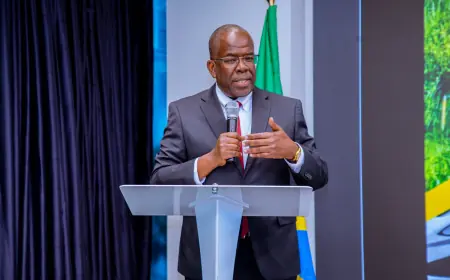
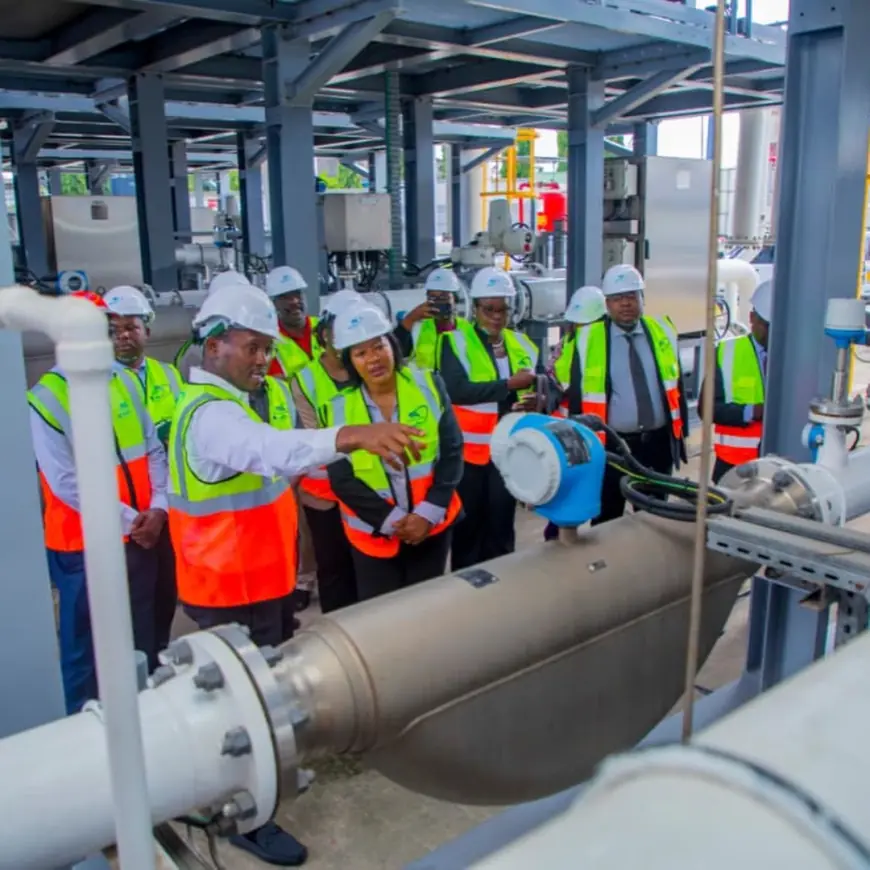
The strategic importance of this infrastructure was highlighted on March 24, 2026, during an official site inspection by Malawi’s minister of Energy and Mining, Dr Jean Mathanga

Dar es Salaam. The ongoing conflict in the Middle East continues to destabilise the global energy landscape, maintaining high volatility in crude prices and tightening international supply chains.
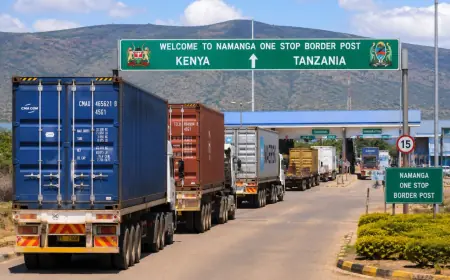
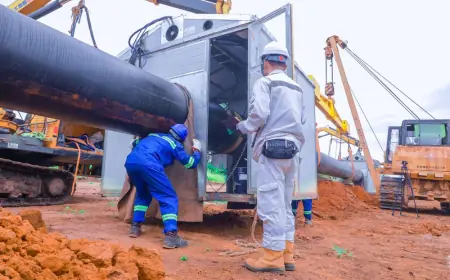
Within this climate of instability, the Port of Dar es Salaam has solidified its role as a critical hub for regional energy security, serving as a primary conduit for fuel supplies to Malawi and other neighbouring landlinked nations.
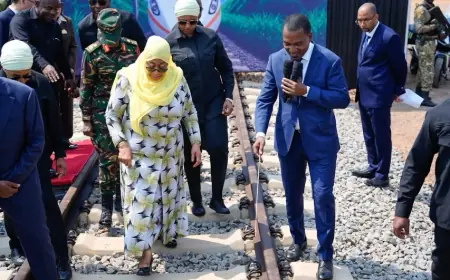
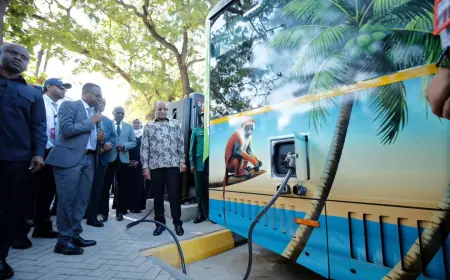
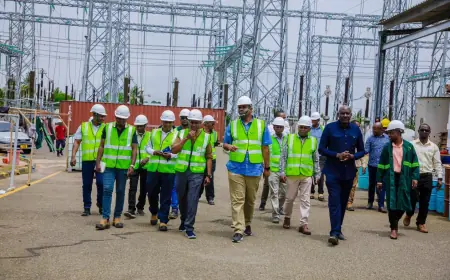
The strategic importance of this infrastructure was highlighted on March 24, 2026, during an official site inspection by Malawi’s minister of Energy and Mining, Dr Jean Mathanga.
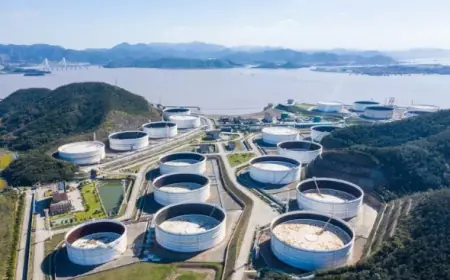
The minister conducted a technical review of the Kurasini Oil Jetty (KOJ-1) to evaluate the operational efficiency of the gateway that sustains Malawi’s national fuel reserves.
During the visit, Dr Mathanga extended formal appreciation to the government of Tanzania for its role in facilitating the consistent transit of petroleum products.
She noted that Malawi’s geographical position necessitates robust partnerships with coastal neighbours to ensure energy remains both available and affordable for its citizens.
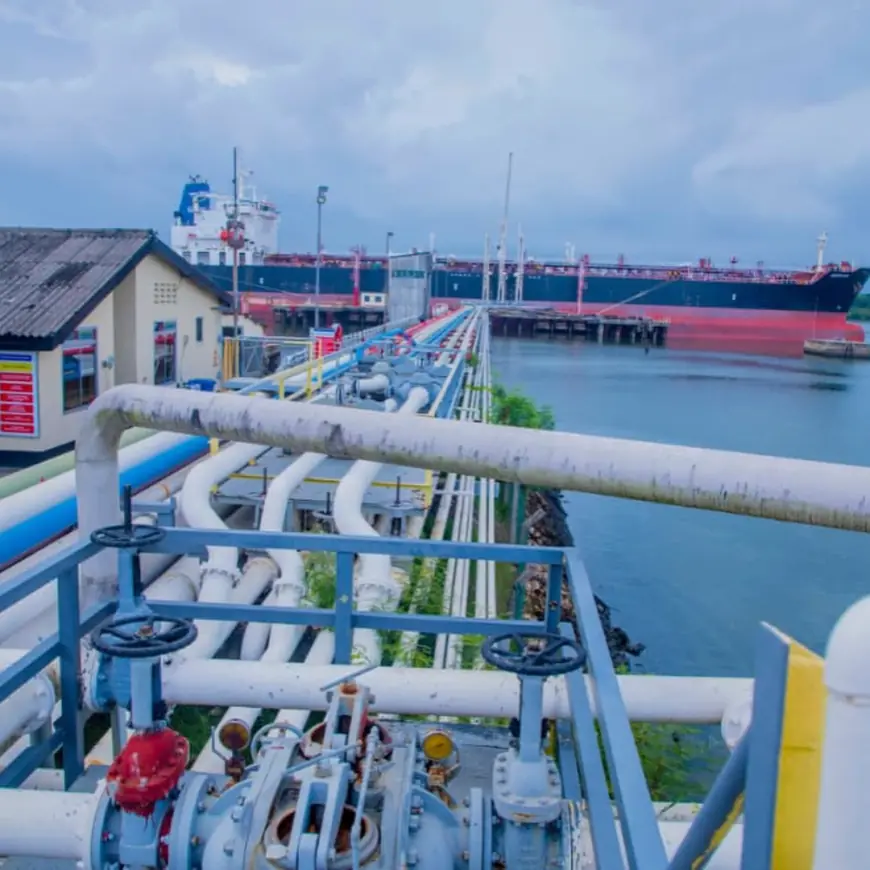
She emphasised that firsthand oversight of the jetty's operations is essential for Malawi’s long-term resource planning and procurement strategies.
Technical experts from both nations participated in the inspection to discuss logistical coordination.
Mr Bruno Tarimo, representing the Petroleum Bulk Procurement Agency (PBPA), explained that a significant volume of Malawi’s fuel is managed through the Tanzanian Bulk Procurement System (BPS).
This integrated framework allows for more reliable scheduling and helps mitigate the impact of external market shocks.
While the BPS provides a structured foundation for imports, Mr Tarimo confirmed that Malawi maintains a level of sovereign flexibility by occasionally sourcing directly from independent suppliers.
This dual-track procurement strategy serves as a necessary buffer against the current disruptions in the Gulf, ensuring that regional energy flows remain uninterrupted despite broader geopolitical tensions.

What's Your Reaction?
 Like
0
Like
0
 Dislike
0
Dislike
0
 Love
0
Love
0
 Funny
0
Funny
0
 Angry
0
Angry
0
 Sad
0
Sad
0
 Wow
0
Wow
0