



































































Crude oil prices surge past $100 per barrel as Middle East tensions disrupt global supply
Futures for the international benchmark Brent crude and the United States benchmark West Texas Intermediate crude jumped more than 15 percent shortly after trading opened on Sunday evening

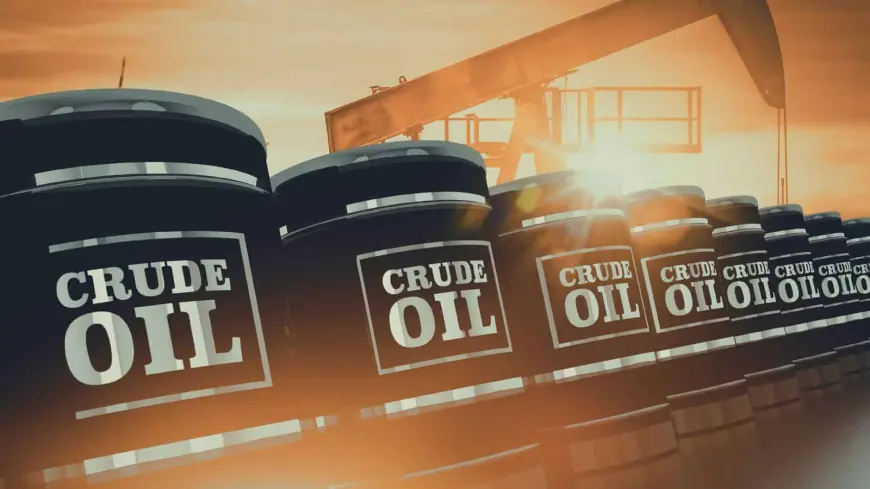
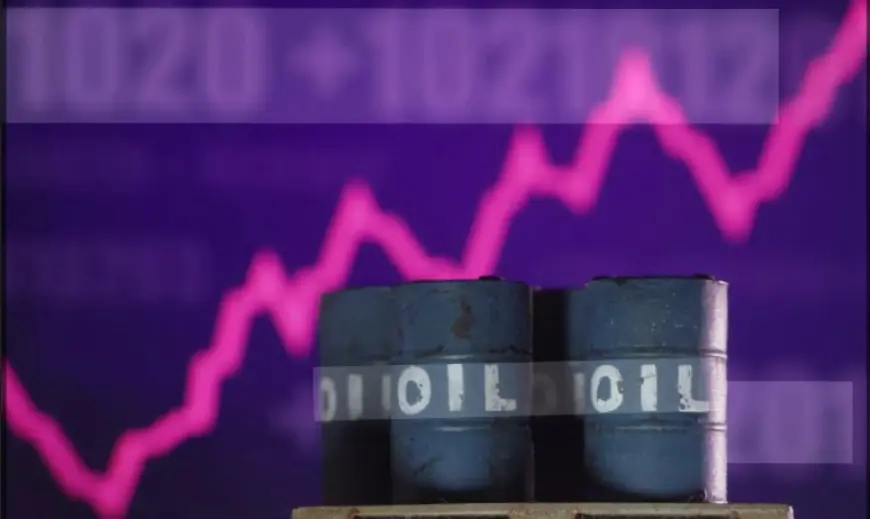
New York. Global oil prices have surged past $100 per barrel for the first time since the early stages of the Russia-Ukraine war in 2022, reflecting mounting fears of supply disruptions amid escalating conflict in the Middle East.
Futures for the international benchmark Brent crude and the United States benchmark West Texas Intermediate crude jumped more than 15 percent shortly after trading opened on Sunday evening.
Both contracts climbed to above $108 per barrel within minutes.
The sharp increase marks the fastest oil rally since the 1980s. Analysts attribute the surge largely to geopolitical tensions following recent air strikes conducted by the United States and Israel against Iran on February 28.
The strikes killed Ali Khamenei, Iran’s Supreme Leader, triggering a wave of retaliation and intensifying instability across the region.
Since the start of the conflict, Brent crude has gained more than 50 percent, while West Texas Intermediate has risen by more than 60 percent.
The latest escalation has amplified fears that a wider regional war could severely disrupt energy supplies.
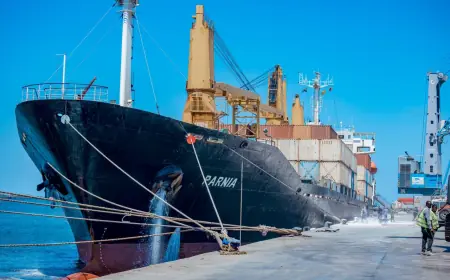
A critical concern for the global oil market is the paralysis of tanker traffic through the Strait of Hormuz, a strategic shipping lane linking the Persian Gulf to international markets.
Around 20 million barrels of crude oil pass through the strait daily, representing roughly one-fifth of global seaborne oil supply.
Data from analytics firm Vortexa shows that approximately 16 million barrels per day have effectively been stranded behind the waterway, unable to reach international markets due to the escalating hostilities.
Energy strategists warn that a prolonged disruption could drive prices significantly higher.
In a note to clients, Vikas Dwivedi, a strategist at Macquarie Group, cautioned that even a few weeks of closure in the Strait of Hormuz could trigger a chain reaction in global energy markets.
“A few weeks of Hormuz closure will create a domino effect of events that could push crude to $150 or higher,” he noted.
What began as a targeted military campaign aimed at weakening Iran’s nuclear capabilities has rapidly expanded into a broader regional conflict.
The fighting has drawn in several countries across the Middle East and raised fears of a prolonged confrontation.
Missile and drone strikes have been reported across several states, including Saudi Arabia, United Arab Emirates, Bahrain, and Oman, targeting airports, military installations, residential buildings and other critical infrastructure.
Meanwhile, air strikes have also intensified inside Iran. Over the weekend, thick plumes of smoke rose above the capital Tehran and the nearby city of Karaj after fuel depots were hit.
The rapidly deteriorating security situation has rattled global markets and raised concerns among major oil-importing economies.
Analysts say continued instability in the region could tighten supply further, fuelling inflationary pressures and increasing energy costs worldwide.
Energy markets remain highly sensitive to developments in the Middle East, a region that holds some of the world’s largest oil reserves and remains central to global energy supply chains.
As tensions persist, traders and governments alike are closely monitoring the situation, aware that any prolonged disruption could reshape global energy dynamics.
What's Your Reaction?
 Like
0
Like
0
 Dislike
0
Dislike
0
 Love
0
Love
0
 Funny
0
Funny
0
 Angry
0
Angry
0
 Sad
0
Sad
0
 Wow
0
Wow
0