













































Youth dominate new primary mining licences as sector expands
Data released by the Tanzania Mining Commission show that between December and July 2025 the government issued 5,983 Primary Mining Licence

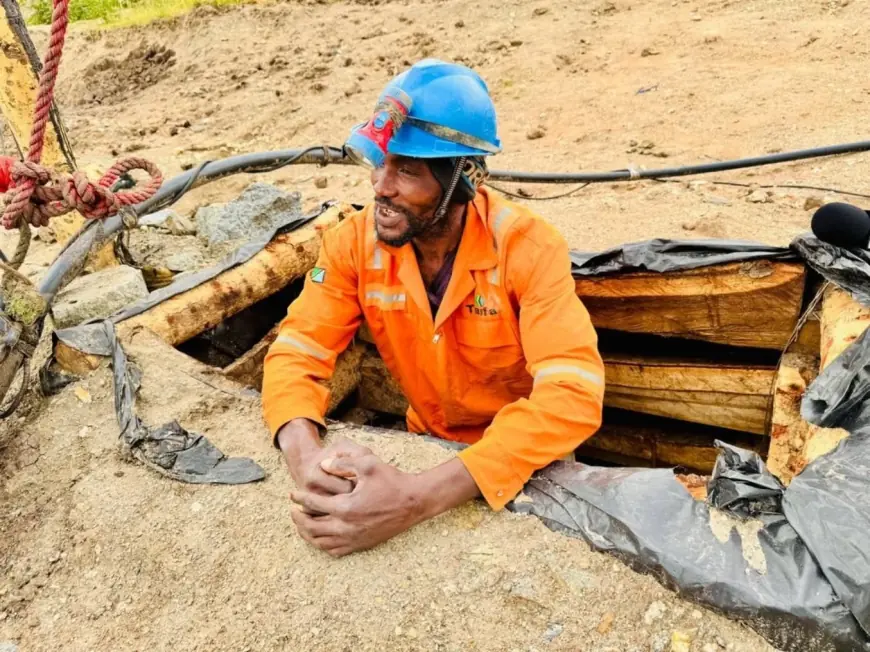
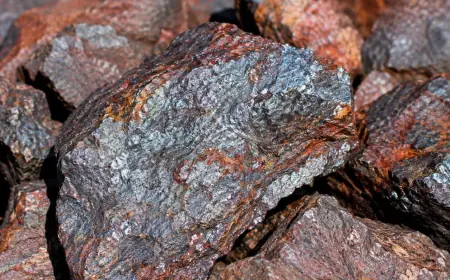
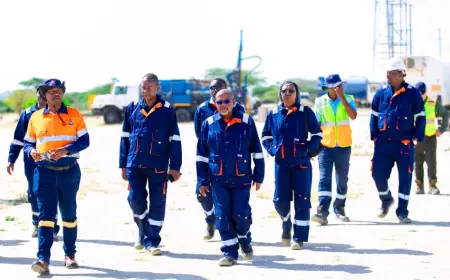
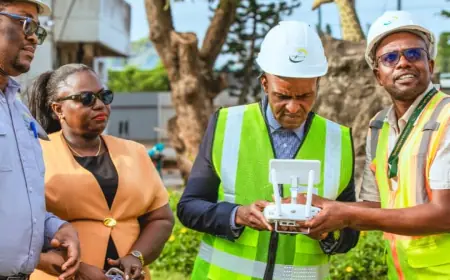
Dodoma. Young Tanzanians are increasingly taking centre stage in the country’s mining sector as the government continues to expand licensing and support initiatives aimed at small-scale operators.
Data released by the Tanzania Mining Commission show that between December and July 2025 the government issued 5,983 Primary Mining Licences (PMLs).
The figure represents 71 percent of all mining licences issued during the period.
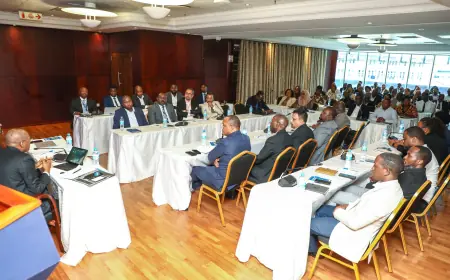
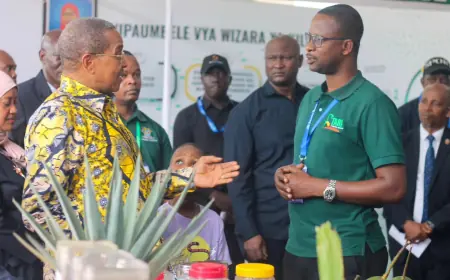
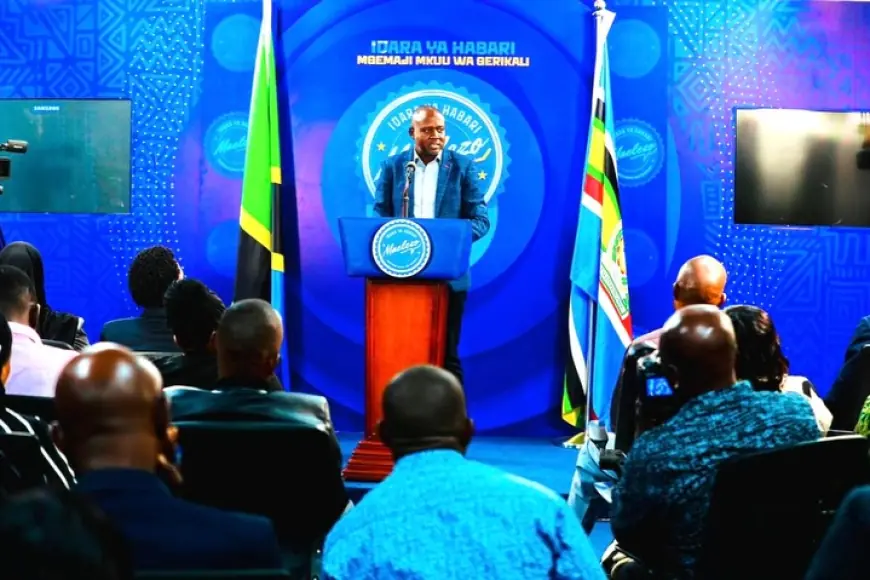
Speaking to reporters in Dodoma on March 16, 2026, the acting executive secretary of the commission, Mr Hamis Kamando, said the majority of applicants were young Tanzanians.
He said most of the licences were granted to individuals aged between 25 and 45 years.
According to him, the trend reflects deliberate government efforts to increase youth participation in the mining industry.
“This is a deliberate policy to ensure that more youth enter the mining sector,” he said.
He added that the government was not only issuing licences to young miners but was also working to improve their access to finance.
“We have entered an agreement with CRDB Bank to finance mining ventures run by the youth,” Mr Kamando noted.
Licences reserved for Tanzanians
Primary Mining Licences are specifically reserved for Tanzanian citizens and companies fully owned by Tanzanians.
The requirement is stipulated under Section 8(2) of the Mining Act.
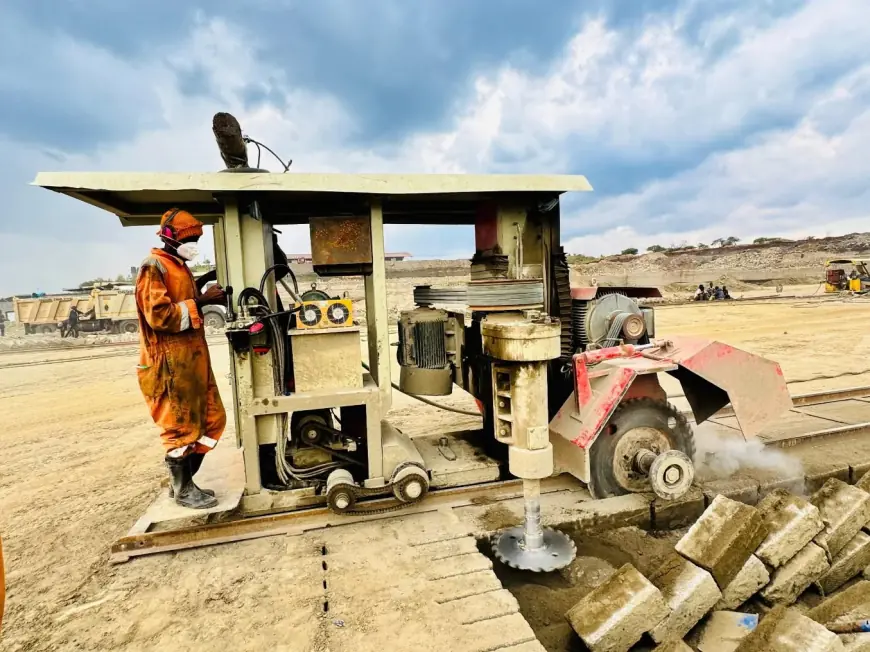
PMLs are intended to support small-scale mining operations that use relatively simple technology and require limited capital.
Under the law, a PML is issued for a period of seven years and may be renewed upon expiry.
Small-scale mining has long been viewed by the government as an important source of employment and local economic activity, particularly in rural areas where mineral deposits are found.
Steady growth in licences
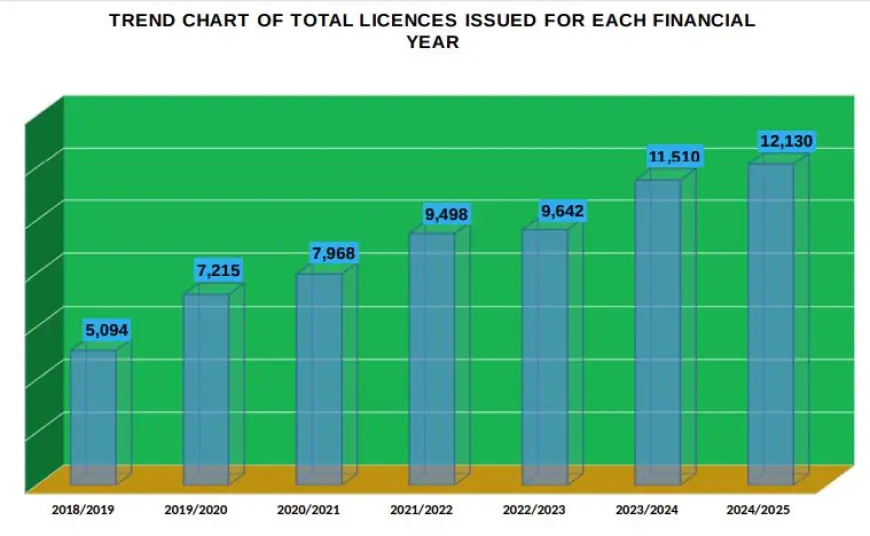
The number of mining licences issued in Tanzania has been rising steadily since the government introduced major reforms in the sector in 2018.
Records from the Tanzania Mining Commission indicate that licences increased from 5,094 in the 2018/2019 financial year to 7,215 in 2019/2020.
The number rose further to 7,968 in 2020/2021 and reached 9,498 in 2021/2022.
In 2022/2023 the total climbed slightly to 9,642 licences before rising to 11,510 in 2023/2024.
During the 2024/2025 financial year the figure reached 12,130 licences.
The licences issued cover a wide range of activities across the mining value chain.
They include Prospecting Licences (PLs), Mining Licences (MLs), Special Mining Licences (SMLs), Primary Mining Licences (PMLs), Processing Licences (PCLs), Refinery Licences (RFLs), Smelter Licences (SLs), Broker Licences (BLs) and Dealer Licences (DLs).
Among these, PMLs account for the largest share.
Data show that a total of 42,122 Primary Mining Licences have been issued in the period under review.
They are followed by 13,294 Broker Licences and 5,161 Dealer Licences.
Prospecting Licences stand at 2,056, while Processing Licences number 233.
Mining Licences total 169.
Refinery and Smelter Licences stand at eight each, while six Special Mining Licences have been issued.
Expanding opportunities
Officials say the government is now encouraging investors to explore opportunities beyond extraction.
Current investment opportunities include establishing mineral smelters and processing plants in order to increase domestic value addition.
There is also growing demand for technologies that can refine strategic and critical minerals locally.
Authorities say additional investment is needed to enhance value addition in gold and gemstone mining.
Infrastructure development around mining zones is another priority, particularly to support mineral processing facilities and logistics.
Push for value addition
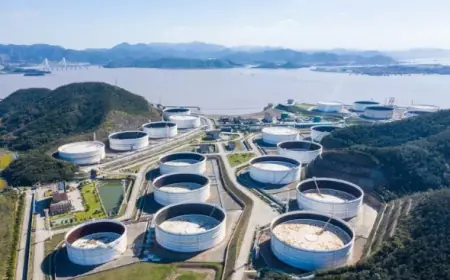
Tanzania has been intensifying efforts to ensure that more minerals are processed within the country before export.
Mr Kamando said the strategy is part of broader reforms aimed at maximising the economic benefits from the country’s vast mineral resources.
He said Tanzania currently has seven mineral refineries.
The facilities collectively employ about 273 people.
“Between December and July 2025, minerals worth Sh5.8 trillion were refined or processed domestically,” Mr Kamando noted.
He said the figure highlights growing capacity for value addition in the sector.
Mineral markets and buying centres
The government has also expanded mineral trading infrastructure to formalise the industry and improve transparency.
Currently, Tanzania operates 118 mineral buying stations across different mining areas.
In addition, the country has established 44 mineral markets where miners and traders can sell minerals through official channels.
The markets were introduced to curb smuggling, increase government revenue and ensure that small-scale miners receive fair prices for their products.
Officials say the continued expansion of licences, financing support and mineral markets is expected to further open the sector to young Tanzanians and local investors.
What's Your Reaction?
 Like
0
Like
0
 Dislike
0
Dislike
0
 Love
0
Love
0
 Funny
0
Funny
0
 Angry
0
Angry
0
 Sad
0
Sad
0
 Wow
0
Wow
0