





































































Dollar nears record highs in global markets as energy surge fuels inflation fears
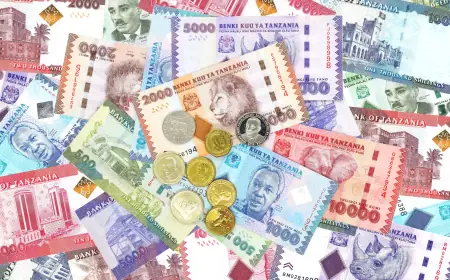
According to Reuters, the dollar has climbed more than 1.5 percent against a basket of major currencies and is close to its strongest level since November

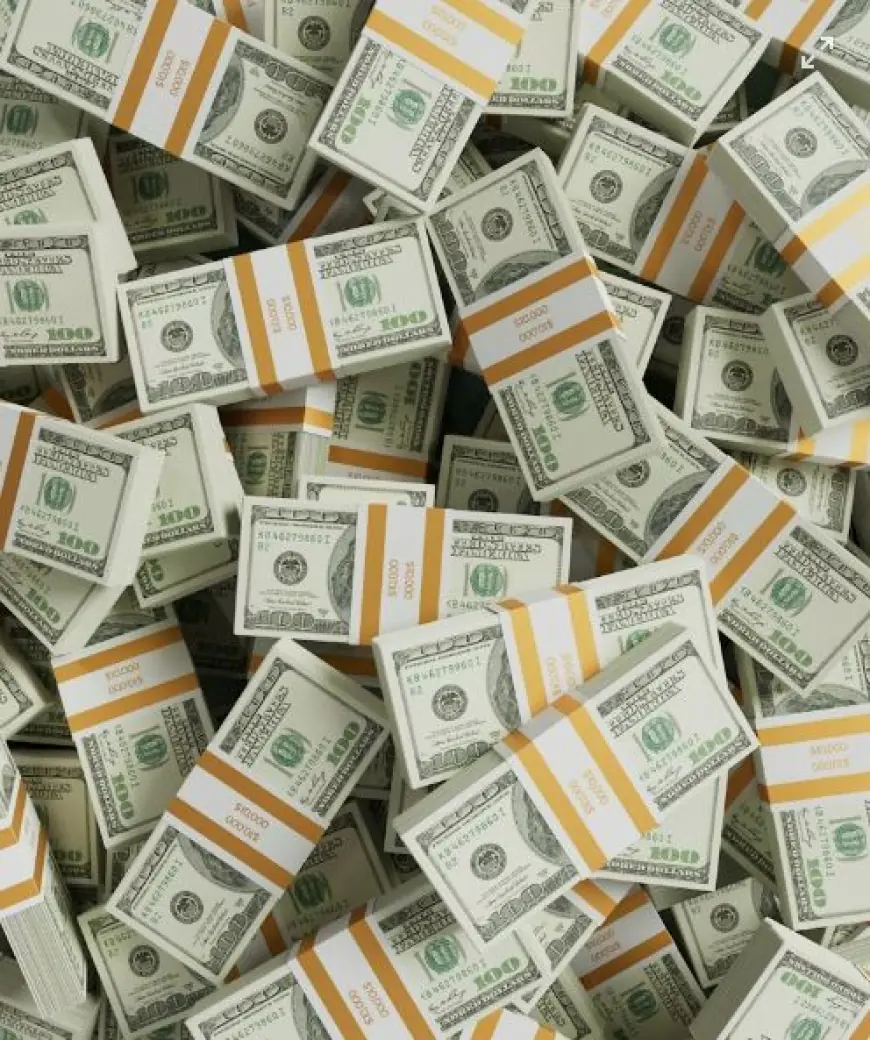
London. The US dollar strengthened for a third consecutive day on Thursday, remaining close to its highest level this year as rising energy prices stirred fresh concerns about global inflation and interest rates, Reuters reported.
Analysts told Reuters that the sharp rise in oil and gas prices could complicate monetary policy decisions for central banks and place additional pressure on economic growth.
According to Reuters, the dollar has climbed more than 1.5 percent against a basket of major currencies and is close to its strongest level since November.
The gains reflect the currency’s traditional safe-haven status during periods of geopolitical uncertainty, as well as the fact that the United States is a net energy exporter.
The surge in energy prices follows escalating tensions in the Middle East.
Economists cited by Reuters warn that a prolonged conflict in the region could intensify inflation pressures and slow global economic activity.
Currencies of major energy-importing economies have been among the hardest hit since the outbreak of the US-Israeli-Iran conflict.
Reuters noted that the Indian rupee and the Japanese yen have each weakened by more than 1.5 percent against the dollar.
The euro has fallen about 2 percent, while the South Korean won has declined by around 3 percent.
Barclays strategist Lefteris Farmakis told Reuters that energy markets are currently driving currency movements, particularly in Europe.
“The main thing that matters today is gas and oil, and the euro zone is quite exposed to these things. So you see the euro selling off across the board,” Farmakis said.
The euro was last down 0.1 percent at $1.1558, remaining close to its lowest level since November, Reuters reported.
Farmakis added that the euro historically tends to lose around 0.5 percent for every 10 percent increase in oil prices, and can fall by as much as 2.5 percent if natural gas prices double.
Oil markets have also been volatile.
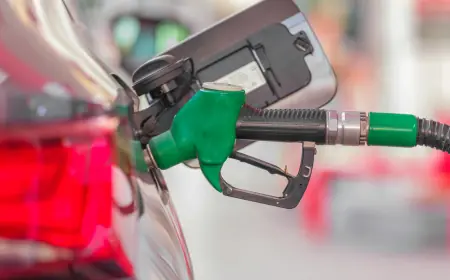
Brent crude futures at one point jumped more than 10 percent to reach $101.59 per barrel, Reuters said, despite the International Energy Agency releasing a record 400 million barrels of oil from strategic stockpiles in an attempt to stabilise prices.
Natural gas markets have also surged. European gas prices have risen about 70 percent since the conflict began and briefly doubled in the first few days of fighting, according to Reuters.
Other major currencies also came under pressure. The British pound slipped 0.2 percent to $1.338, near its lowest point of the year so far.
The Japanese yen briefly weakened beyond 159 per dollar before recovering slightly, Reuters reported.
Financial markets are increasingly focused on how higher energy prices could influence central bank policy.
Traders in interest-rate swaps markets are adjusting their expectations for future moves.
Reuters cited data compiled by LSEG showing that investors now expect the European Central Bank could raise rates as early as June, while expectations for a US Federal Reserve rate cut have shifted from July to September.
The geopolitical situation remains uncertain. Reuters reported that US President Donald Trump said Washington was in “very good shape” in its campaign against Iran and suggested the US would closely monitor the strategic Strait of Hormuz.
However, sources familiar with US intelligence assessments told Reuters that Iran’s leadership remains largely intact and is unlikely to collapse soon despite nearly two weeks of sustained US and Israeli air strikes.
Currency strategist Rodrigo Catril of National Australia Bank told Reuters that the conflict’s duration remains difficult to predict.
“President Trump keeps saying that the war will end soon. It is unclear whether that decision rests solely with him,” Catril said.
He added that markets should prepare for continued swings in energy prices as the conflict unfolds.
Investor confidence was also affected by fresh trade tensions.
Reuters reported that the Trump administration launched a new investigation into excess industrial capacity in 16 major trading partners.
Concerns also emerged from the private credit sector.
The Financial Times, cited by Reuters, reported that Swiss private equity firm Partners Group warned default rates in private credit markets could double in the coming years.
Reuters concluded that rising energy costs, geopolitical tensions, and shifting interest-rate expectations are likely to keep currency markets volatile in the months ahead.
What's Your Reaction?
 Like
0
Like
0
 Dislike
0
Dislike
0
 Love
0
Love
0
 Funny
0
Funny
0
 Angry
0
Angry
0
 Sad
0
Sad
0
 Wow
0
Wow
0