











































President Samia signals new era for Tanzania with comprehensive tax reform
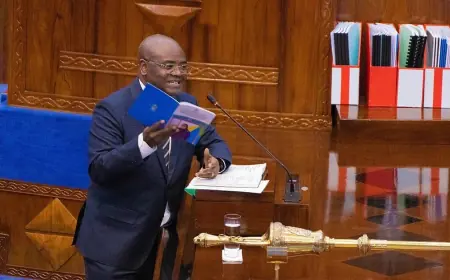
President Samia noted during the ceremony that nearly 35 years have passed since the last major tax review, which was conducted by the Mtei Commission

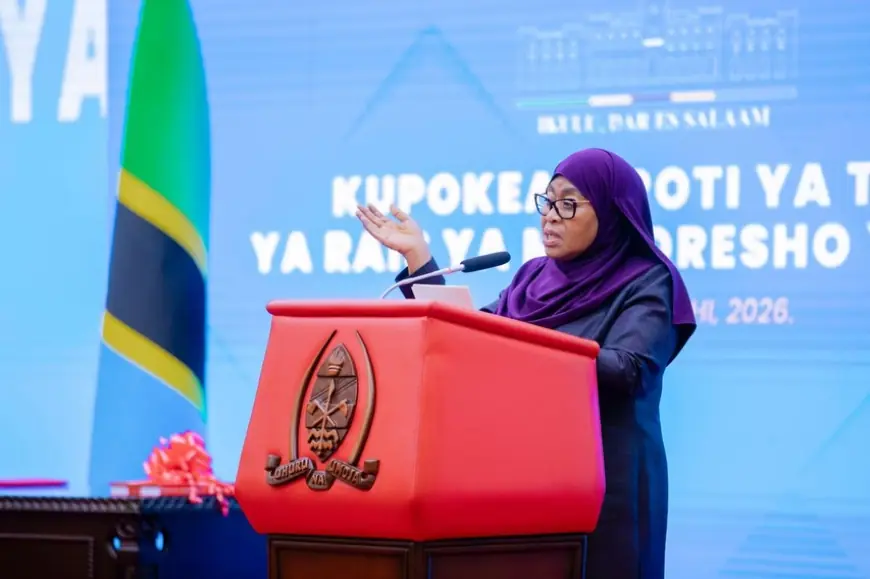
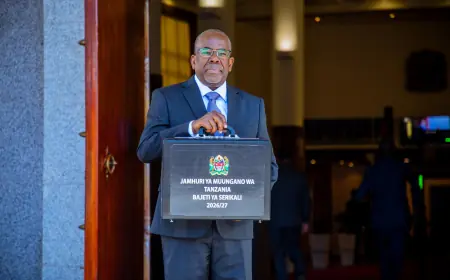
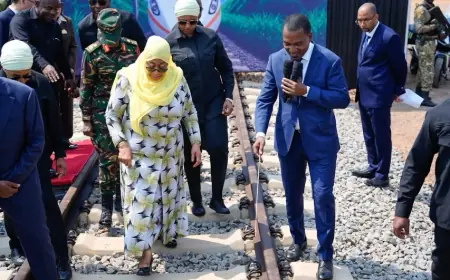
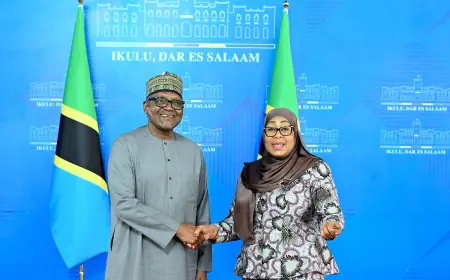
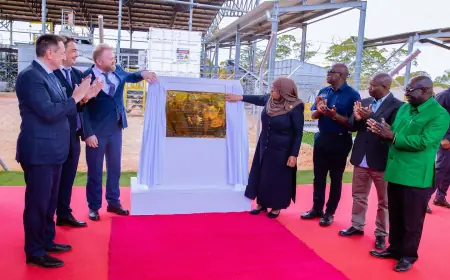
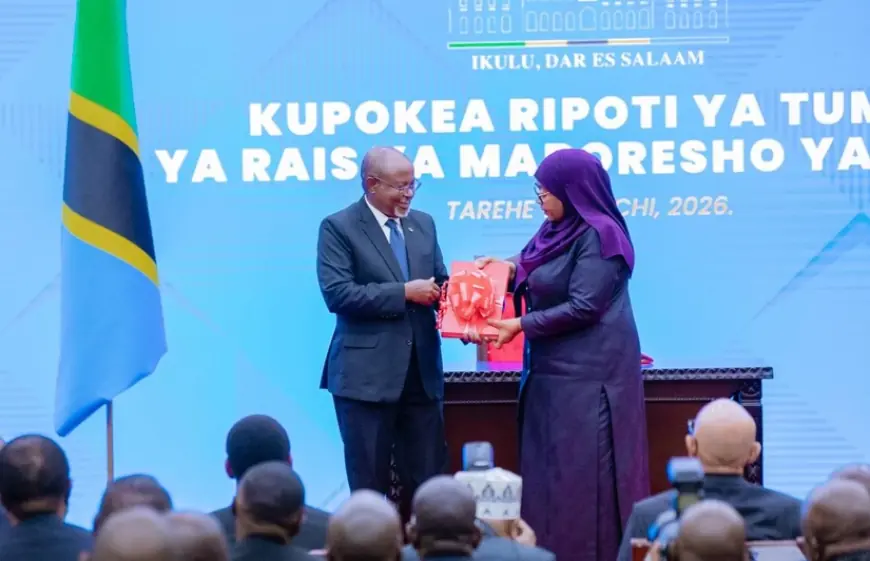
Dar es Salaam. President Samia Suluhu Hassan officially received the highly anticipated report of the Presidential Commission on Tax Reforms marking the beginning of a decisive shift toward a modern, service-oriented tax architecture designed to power the nation for decades to come.
The President’s reception of the report on 18th March, 2026, serves as a formal acknowledgement that the existing system must evolve to meet the dynamic needs of a growing economy.
It would also signal the end of a thirty-four-year period of fiscal stagnation.
The urgency of this transformation is rooted in a historical context that spans over three decades.
President Samia noted during the ceremony that nearly 35 years have passed since the last major tax review, which was conducted by the Mtei Commission.
This long interval has created a disconnect between fiscal policy and current economic realities.
By modernising the system now, the government aims to rectify long-standing concerns raised by a wide spectrum of stakeholders, including everyday citizens, local business leaders, and international investors.
Central to this new vision is an unprecedented commitment to inclusivity.
President Samia has asserted that these reforms will not be dictated from the top down in isolation.
Instead, the implementation process will actively involve the private sector and the common people to ensure the system is fair and equitable.
Private sector is key
The President emphasised that the private sector must be enabled rather than burdened, as it is expected to contribute a significant 70 percent to the realisation of Tanzania’s Vision 2050.
The scale of the proposed changes is reflected in the sheer volume of the Commission's work.
The report contains 284 specific recommendations, all of which the President has pledged to implement through a structured, phased approach.
She used a poignant metaphor to describe the necessity of this evolution, stating that even a snake must shed its skin to survive and grow.
This sentiment underscores a government that is ready to abandon outdated practices in favour of a more transparent and efficient model.
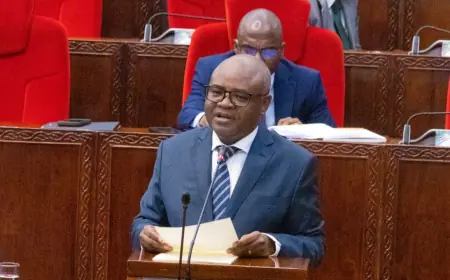
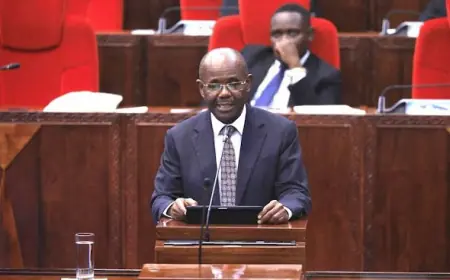
Amb Ombeni Sefue, the Chairperson of the Commission, highlighted the systemic challenges that the new reforms seek to dismantle.
The current framework has been hindered by a narrow tax base, high tax burdens in specific sectors, and fragmented coordination between institutions.
These inefficiencies have often left the government collecting revenue from a small group of people in a manner that is frequently described as burdensome.
The goal is to move away from this restrictive model toward a system where everyone contributes according to their income in a simple and predictable way.
The economic implications of a successful overhaul are substantial.
Sh11 trillion boost
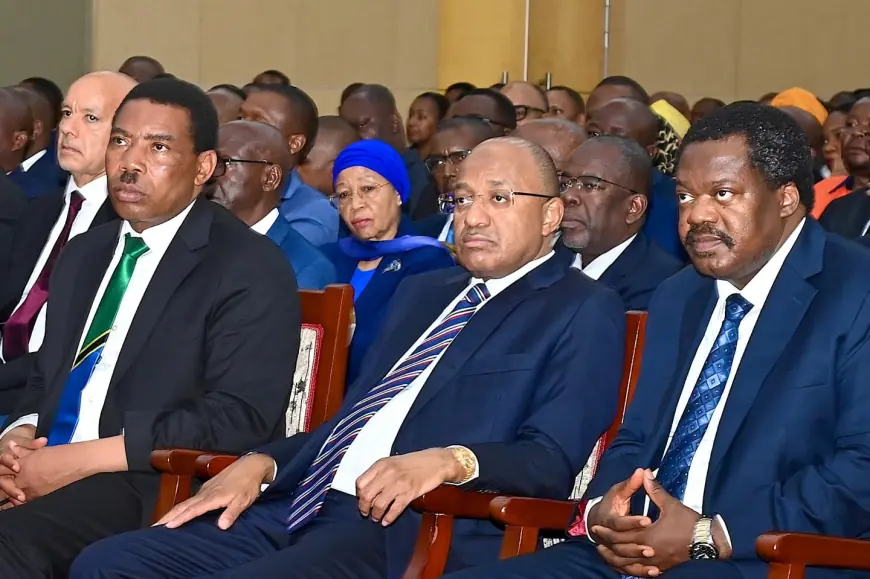
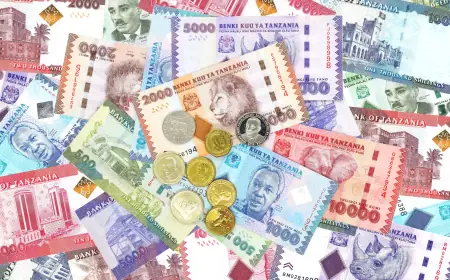
Full implementation of the Commission’s recommendations is projected to increase government revenue by Sh11.025 trillion within just three years.
Furthermore, the government aims to raise the tax-to-GDP ratio to 18 percent.
This increase in domestic revenue mobilisation is seen as a critical component of Tanzania’s long-term transformation agenda, providing the necessary funds for public services and infrastructure without over-relying on external debt.
As the government moves toward a phased implementation strategy, the focus remains on maintaining a dialogue with the public.
President Samia’s administration has made it clear that a stable and predictable tax environment is the only way to sustain business growth and investor confidence.
By balancing revenue needs with the necessity of "feeding the cow before milking it," the Tanzanian government is attempting to foster a culture of voluntary compliance and shared responsibility.
The transformation is ultimately a call for collective action across all sectors of society. Success will depend on the continued support of the Tanzania Revenue Authority and the active participation of the formal and informal economies.
With the roadmap for Vision 2050 now more clearly defined, the nation stands at the threshold of a fiscal rebirth that promises to be as inclusive as it is ambitious.
What's Your Reaction?
 Like
0
Like
0
 Dislike
0
Dislike
0
 Love
0
Love
0
 Funny
0
Funny
0
 Angry
0
Angry
0
 Sad
0
Sad
0
 Wow
0
Wow
0