































































Export hub signals new era as youth power Tanzania’s industrial ambitions
Officials say the initiative seeks to connect as many as 100,000 young entrepreneurs to international markets by 2030

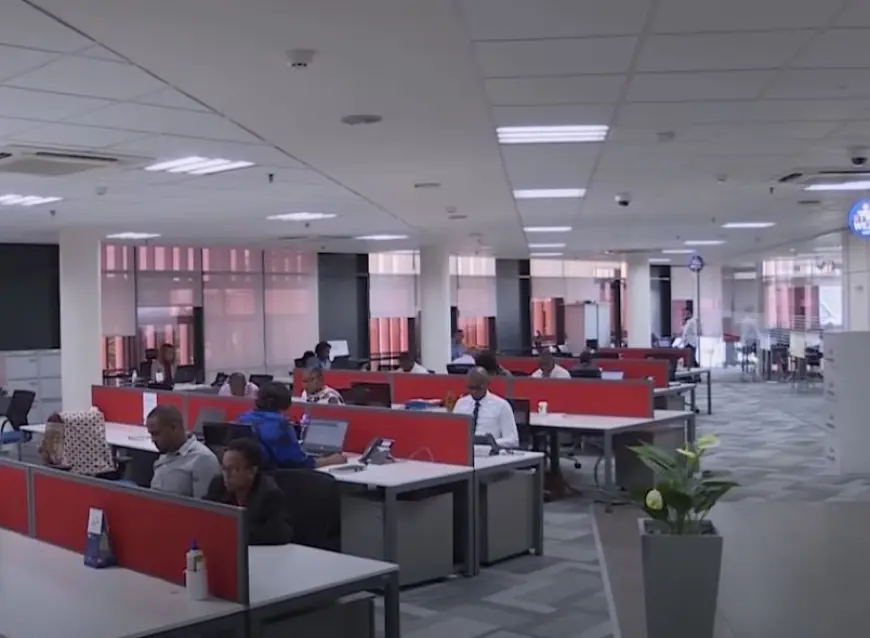
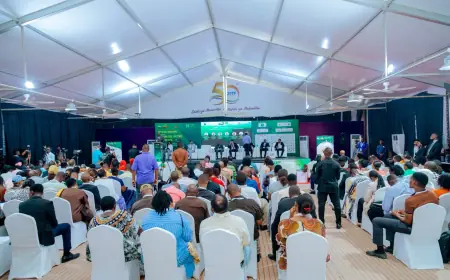
Dar es Salaam. Tanzania has taken a decisive step towards reshaping its economic future with the launch of a strategic export hub designed to transform youthful ambition into industrial strength and sustained national prosperity.
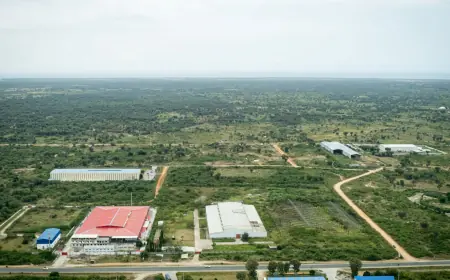
The facility, established within the Benjamin William Mkapa Special Economic Zone, is expected to become a focal point for export-led growth and youth employment.
Officials say the initiative seeks to connect as many as 100,000 young entrepreneurs to international markets by 2030.
It is a bold attempt to convert the country’s demographic momentum into a lasting economic advantage.
The project arrives at a moment when Tanzania’s youthful population continues to expand rapidly. National figures indicate that about 76 per cent of citizens are below the age of 35.
Each year, more than one million young people enter the labour market.
This steady surge has placed pressure on traditional employment systems and increased the urgency of new industrial pathways.
Recent economic indicators suggest the country is entering a favourable growth phase that could support such ambitions.
Tanzania’s real gross domestic product expanded by 6.4 per cent in the third quarter of 2025, supported by agriculture, construction, mining, and financial services.
This steady growth provides a foundation upon which export-oriented industries can flourish.
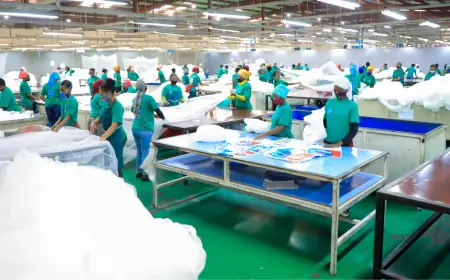
At the heart of the hub’s strategy is value addition. Young entrepreneurs will receive structured training in industrial management, packaging, and international trade standards.

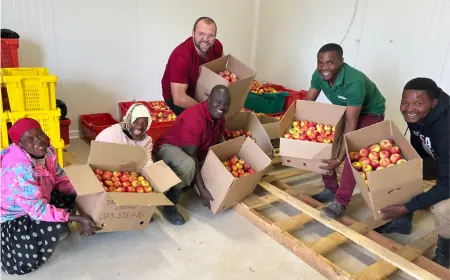
Early production lines are expected to focus on processed agricultural goods, including dried fruits, spices, and specialty foods.
These products command higher prices in regional and Asian markets than raw commodities.
Officials believe the hub’s emphasis on agro-processing could redefine rural economies.
By encouraging young people to shift from subsistence farming to value-added production, the programme is expected to stabilise incomes and stimulate new investment in rural districts.
It also strengthens the link between farmers, processors, and exporters.
The initiative has been developed in partnership with Chinese firms that will provide technical expertise and access to global supply networks.
This cooperation is expected to accelerate technology transfer in critical areas such as logistics systems, automated packaging, and quality control.
These capabilities are essential for meeting strict international standards.
Economic data suggests that Tanzania is already strengthening its export capacity.
Exports of goods and services rose by 10.2 percent in 2025 to reach $17.6 billion, driven largely by gold, manufactured products, and agricultural commodities.
Analysts believe the new hub could diversify this export base by introducing higher-value processed goods.
Another supportive factor is the availability of foreign reserves, which reached $6.3 billion at the end of 2025.
This level was sufficient to cover nearly five months of projected imports.

Such stability provides confidence to investors considering long-term industrial ventures.
The government also aims to harness emerging trade opportunities, particularly those arising from favourable tariff arrangements for African exports into Asian markets.
By aligning production with international demand, officials expect local entrepreneurs to gain a direct foothold in global supply chains.
Beyond trade, the export hub is seen as a powerful social investment.
Experts estimate that the broader programme could generate up to three million direct and indirect jobs if implemented at scale.
Industrial clusters already piloted in urban areas are expected to expand gradually to regional centres as market demand grows.
Credit growth trends indicate that the private sector is increasingly prepared to support industrial expansion.
Lending to key sectors such as agriculture and trade has risen significantly, reinforcing the availability of capital for production-based enterprises.
This financial momentum may prove critical to sustaining new ventures created by young entrepreneurs.
Observers view the hub as more than an employment project.
It represents a strategic shift in economic philosophy.
The focus is moving from exporting raw commodities to exporting finished products with higher global value.
This transition, if sustained, could reposition Tanzania as a manufacturing gateway within East and Central Africa.
Youth participation remains central to this transformation.
The programme is structured to cultivate not only workers but also innovators capable of designing products for competitive markets.
Training modules are expected to combine technical knowledge with business skills, preparing participants for long-term enterprise development.
As Tanzania advances towards its long-term development aspirations, the export hub offers a glimpse of how coordinated industrial planning can unlock new economic possibilities.
Its success will depend on the consistent alignment of infrastructure, training, finance, and international partnerships.
If these elements converge effectively, the newly launched hub could become more than a production centre.
It could stand as a cornerstone of Tanzania’s ambition to emerge as a regional economic powerhouse powered by an engaged and productive generation.
What's Your Reaction?
 Like
0
Like
0
 Dislike
0
Dislike
0
 Love
0
Love
0
 Funny
0
Funny
0
 Angry
0
Angry
0
 Sad
0
Sad
0
 Wow
0
Wow
0