































































What lies ahead for new Speaker of Tanzania’s Parliament, Mussa Zungu
Mr Zungu steps into the role at a time when Parliament is being called upon to redefine its purpose to be more than a chamber of routine lawmaking, but a true engine of accountability and socio-economic transformation

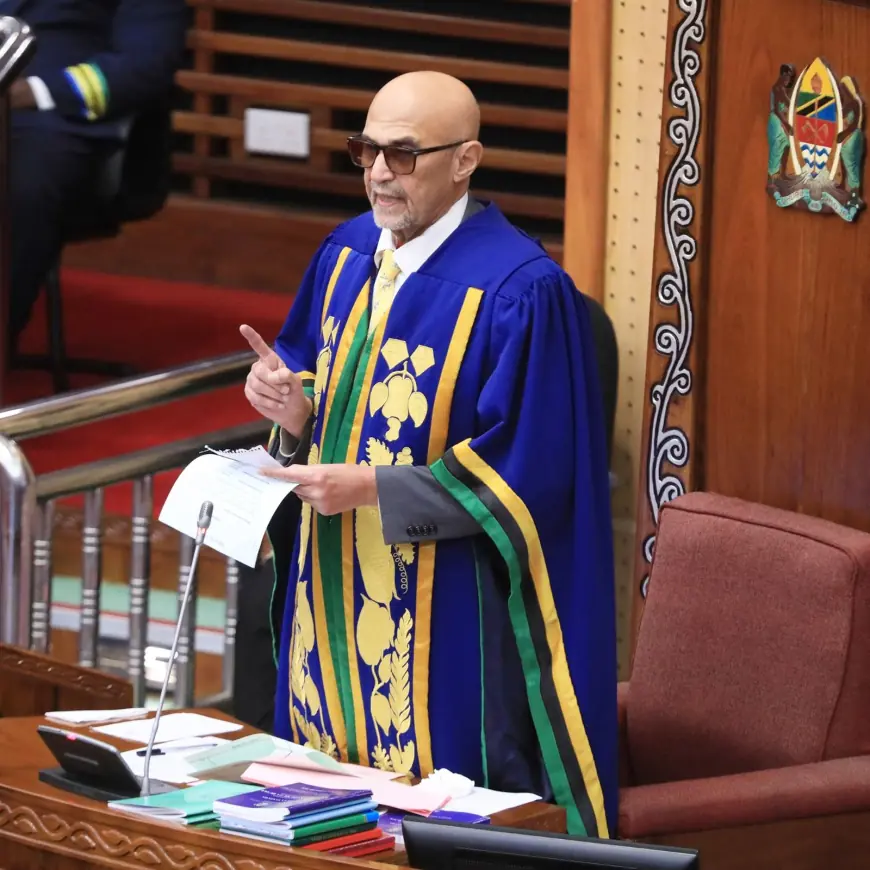
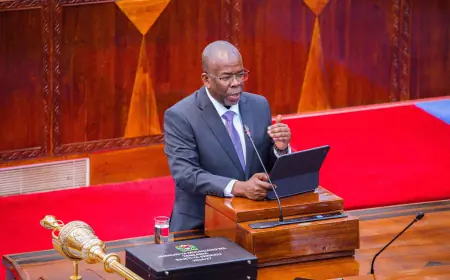
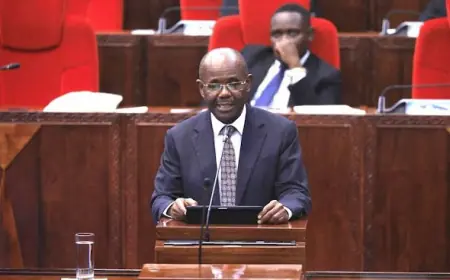
Dodoma. The election of Ilala Member of Parliament, Mussa Azzan Zungu, as Speaker of the 13th Parliament ushers in a new chapter in Tanzania’s political and legislative history, one defined not only by continuity, but also by expectations of substantive reform.
Mr Zungu steps into the role at a time when Parliament is being called upon to redefine its purpose to be more than a chamber of routine lawmaking, but a true engine of accountability and socio-economic transformation.
In his acceptance speech, he pledged to lead the House with transparency, discipline, and a strong sense of accountability.
These words, while reassuring, must now be measured against the enormous responsibility of turning rhetoric into measurable progress.
Having served in various leadership and ministerial positions including as Deputy Speaker for four years, Mr Zungu commands both institutional memory and political experience.
Colleagues describe him as calm, strategic, and grounded, traits that will be vital in navigating a Parliament facing complex political, economic, and governance challenges.
His deep understanding of parliamentary procedure and party politics gives him an advantage, but it is the moral and reformist courage he brings to the position that will determine the real measure of his tenure.
His election comes at a time when Tanzania’s democracy continues to evolve.
The legislative arm must strike a balance between supporting the government’s development agenda and asserting its constitutional role of oversight.
In recent years, public debate has intensified over whether Parliament has done enough to challenge executive excesses and ensure that laws and budgets translate into tangible benefits for citizens.
From Rhetoric to Reform
For Mr Zungu, the challenge ahead is not in managing debates or enforcing order within the Chamber, it is in transforming Parliament into an institution that genuinely reflects the aspirations of Tanzanians.
The public’s patience has waned over symbolic gestures and policy pronouncements that rarely translate into improved livelihoods.
Tanzania’s 13th Parliament will therefore be judged not by the number of bills it passes, but by how effectively those laws foster a conducive business environment, encourage investment, and stimulate job creation.
Real reform, analysts argue, must go beyond legislative tokenism.
It must address persistent structural barriers, from bureaucratic inefficiencies and corruption to delays in implementing approved projects.
Investors, both local and foreign, continue to call for greater policy stability, predictable regulation, and a level playing field.
Parliament, under Zungu’s stewardship, has the constitutional mandate to ensure that the country’s laws support these aspirations.
Strengthening oversight over the execution of national development plans and ensuring accountability in the use of public resources will be crucial in building investor confidence and unlocking Tanzania’s economic potential.
Political Maturity and Institutional Credibility
Another test for the new Speaker will be to cultivate a culture of political maturity within the House.
Tanzanian politics, though more stable than in many of its neighbours, has occasionally been marred by sharp partisan divisions that dilute the quality of parliamentary debate.
The new Speaker’s role, therefore, extends beyond procedural leadership; it is about nurturing a spirit of constructive opposition and meaningful dialogue.
In this context, Mr Zungu’s call for unity and responsibility resonates deeply.
Parliament, as the people’s representative body, must demonstrate that it can rise above party loyalties to debate matters of national interest objectively.
Analysts believe that a strong and independent Parliament is indispensable to ensuring that reforms in governance, taxation, and business regulation are implemented effectively and equitably.
Oversight as a Tool for Transformation
The Speaker’s chair is not merely ceremonial. It is a vantage point from which the nation’s legislative destiny is shaped.
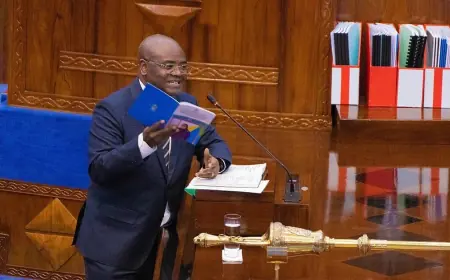
Mr Zungu now holds the gavel that will determine how rigorously ministers are held to account, how diligently committees scrutinise public expenditure, and how faithfully parliamentary resolutions are implemented.
Under his leadership, the National Assembly could play a transformative role in reshaping Tanzania’s political economy.
This involves promoting reforms that stimulate innovation, industrialisation, and sustainable growth, reforms that turn Tanzania’s youthful population into an economic asset rather than a burden.
It also means ensuring that every law passed reflects a clear cost-benefit analysis for citizens and businesses alike.
Building Public Trust
Public trust in Parliament is not built through eloquent speeches, but through consistent delivery. Citizens expect their representatives to prioritise real change in education, healthcare, agriculture, and employment opportunities.
The Speaker’s role is to ensure that these expectations are not lost amid the political choreography that often characterises legislative sessions.
To restore faith in democratic institutions, the new leadership must reinforce transparency, ensuring that parliamentary proceedings, committee reports, and budget analyses are accessible to the public.
This openness is fundamental to bridging the gap between citizens and the state, particularly at a time when social media has heightened scrutiny of political processes.
A Defining Moment
As Mussa Zungu assumes his duties, he inherits both a proud tradition and a formidable task. He must preserve the integrity of the institution while steering it toward a more reform-oriented future.
The country’s business community, civil society, and international partners will all be watching closely to see whether the 13th Parliament can redefine its role as a catalyst for development and an authentic voice for the people.
In the end, the true measure of Zungu’s speakership will not be in the applause he receives within the House, but in the transformation that ordinary Tanzanians experience beyond its walls.
The choice before him — and indeed the entire Parliament — is clear: to champion real change that uplifts the nation, or to settle for gestures that merely sustain the status quo.
The coming months will reveal whether Tanzania’s legislature, under his guidance, will be the engine of genuine reform that the nation yearns for — or another chapter in a long narrative of unfulfilled promise.
What's Your Reaction?
 Like
0
Like
0
 Dislike
0
Dislike
0
 Love
0
Love
0
 Funny
0
Funny
0
 Angry
0
Angry
0
 Sad
0
Sad
0
 Wow
0
Wow
0