







































































Central banks hawkish but cautious in war's shadow
In a rare coincidence of the monetary policy diary, central banks of the United States, Japan, Britain, Canada and the euro zone - effectively the Group of Seven (G7) nations - convened this week, as have counterparts from several emerging economies

Washington/Tokyo. Top central banks struck hawkish tones as the Iran war drove energy prices sharply higher but acknowledged that the sheer uncertainty over the impact on the global economy called for caution in their next policy moves.
In a rare coincidence of the monetary policy diary, central banks of the United States, Japan, Britain, Canada and the euro zone - effectively the Group of Seven (G7) nations - convened this week, as have counterparts from several emerging economies.
The Reuters Iran Briefing newsletter keeps you informed with the latest developments and analysis of the Iran war.
Having barely tamed a commodities-led inflation spike after Russia's full-scale invasion of Ukraine in 2022, policymakers are determined to rein in any new price pressures without derailing still-patchy economic growth.
The US Federal Reserve and the Bank of Canada on Wednesday both opted to hold interest rates steady, as did the Bank of Japan on Thursday.
Yet they made clear they are on alert, wary that rising energy prices could spark a fresh wave of inflation.
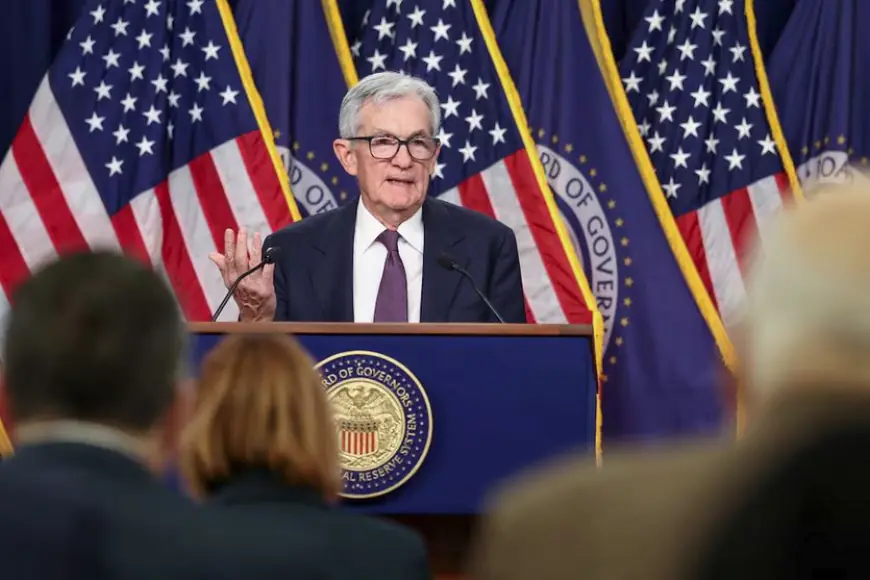
"In the near term, higher energy prices will push up overall inflation, but it is too soon to know the scope and duration of the potential effects on the economy," Federal Reserve Chairman Jerome Powell said after the Fed's 11-1 decision to hold rates in the 3.50 percent -3.75 percent range.
Yet Powell's reluctance to say that risks of a weakening job market posed a greater risk to the Fed's objectives than inflation helped push market rate-cut expectations into 2027.
In Tokyo, Bank of Japan Governor Kazuo Ueda said the BOJ would not rule out a near-term rate hike if the expected hit to growth from surging oil costs proves temporary, and does not derail progress in durably hitting the bank's price target.
"We need to be mindful that recent developments come at a time when companies are already actively pushing up prices and wages, which suggests they could pass on costs more aggressively than after the war in Ukraine," Ueda told a news conference.
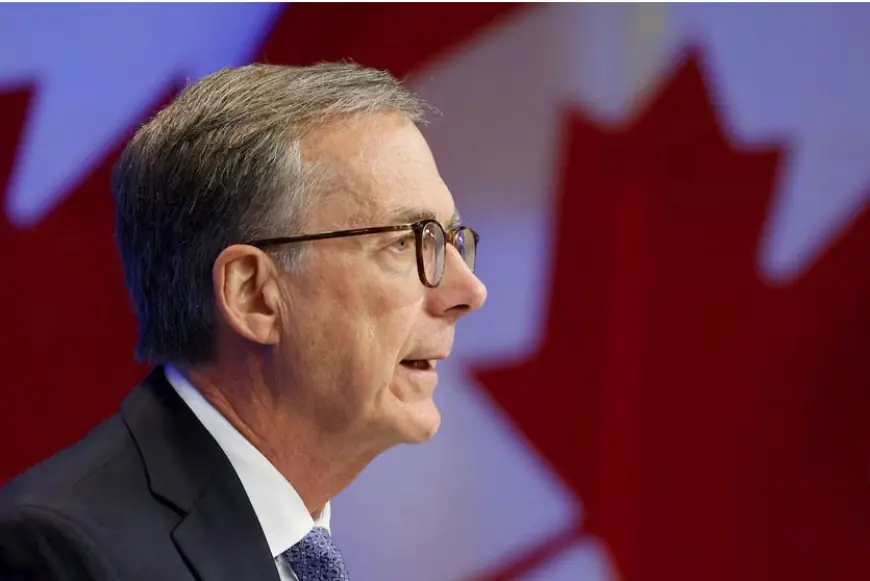
Bank of Canada Governor Tiff Macklem struck a similar note: "If energy prices stay high, we will not let their effects broaden and become persistent inflation," he said.
Banks around the world warn of inflation risks
Earlier this week the Reserve Bank of Australia hiked rates to a 10-month high and warned of a "material" risk to inflation from the oil price spike.
Even Brazil's central bank, with one of the highest rates of all major economies, opted for a cautious 25-basis-point cut to a benchmark 14.75 percent rate - a smaller cut than initially expected.
On Thursday both the Swiss National Bank and Sweden's Riksbank kept policy rates on hold, flagging the uncertainty of how the war will end up impacting the economy.
Next up are the Bank of England and the European Central Bank - due to announce their decisions at 1200 GMT and 1315 GMT respectively.
Both are expected to hold but market attention will focus on the communication around those decisions.
Earlier, stocks slid and oil prices rose sharply after a major escalation in the war rattled investors. Analysts expect the rate path to remain bumpy with no clear end in sight to the conflict that could upend global supply chains, jolt financial markets and hurt corporate sentiment.
"This latest escalation feels like a turning point for markets because the conflict is no longer just about military headlines or Strait of Hormuz closure," said Charu Chanana, chief investment strategist at Saxo in Singapore.
"It is now hitting the plumbing of the global energy system. What is unsettling markets now is the growing stagflation risk... It means this is no longer just a geopolitical story but a macro one." (Reuters)
What's Your Reaction?
 Like
0
Like
0
 Dislike
0
Dislike
0
 Love
0
Love
0
 Funny
0
Funny
0
 Angry
0
Angry
0
 Sad
0
Sad
0
 Wow
0
Wow
0