


























































Fitch maintains Tanzania rating at B+ with stable outlook

Fitch ratings follows a similar move by Moody’s Ratings in February, which held the country at B1 with a stable outlook.

Mar 30, 2026 - 15:08
 0  4
Fitch maintains Tanzania rating at B+ with stable outlook

Fitch Ratings has kept Tanzania’s long-term foreign-currency rating at B+. The outlook for the nation remains stable.

This decision highlights steady economic growth and consistent fiscal control. It follows a similar move by Moody’s Ratings in February.

Moody’s also held the country at B1 with a stable outlook. These assessments show global confidence in the current economic path. Tanzania is currently outperforming many of its peers.

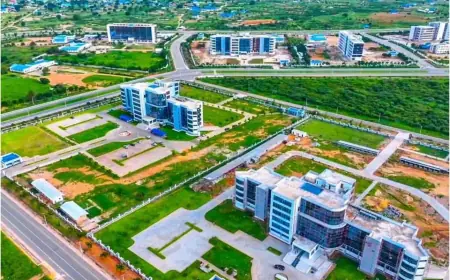
Experts forecast real GDP growth of 6 percent for 2026. This figure sits well above the 4.5 percent median for B-rated countries. Large infrastructure projects are driving this expansion.

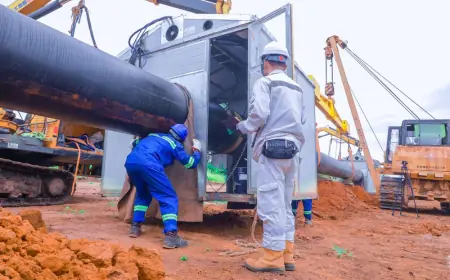
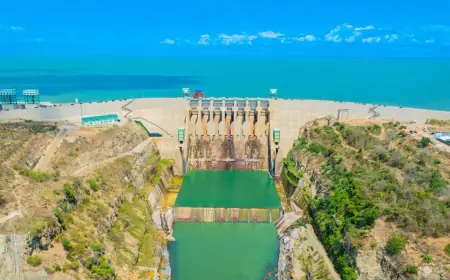
The Standard Gauge Railway and the East African Crude Oil Pipeline are key examples. A boost in tourism and high gold exports further support the economy. Fitch credits the stable rating to strong economic momentum.
Continued access to IMF funding through the Extended Credit Facility is also vital. Nevertheless, the agency noted several persistent risks. Weak governance and external shocks remain primary concerns.

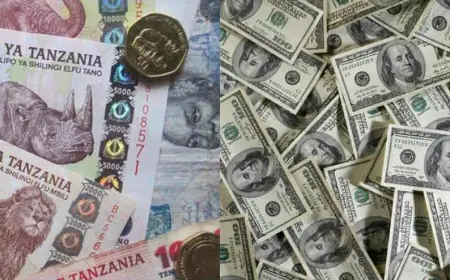
Global tensions affecting fuel and fertiliser supplies create specific vulnerabilities. Structural hurdles also continue to challenge the economy. The foreign exchange market is still under significant pressure. 

Revenue collection is getting better but stays lower than in neighbouring countries. Despite this, public debt levels are showing a gradual improvement.

The debt-to-GDP ratio should fall to 47 percent by 2027. This is lower than the 54 percent median for similar economies. External risks are still a major factor for the outlook.

Tanzania relies heavily on imports from the Gulf Cooperation Council. The region provides 62 percent of the nation’s fuel and 40 percent of its fertiliser.

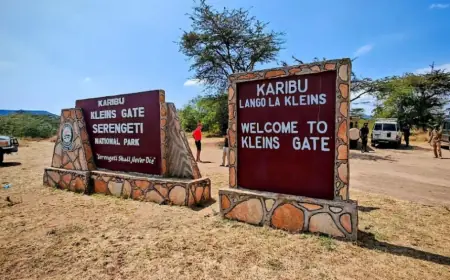
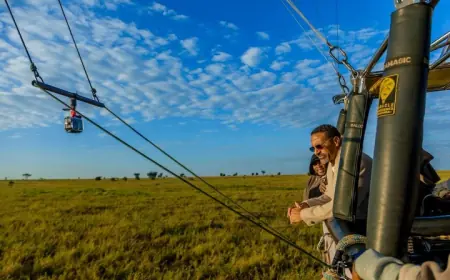
Many tourists also travel through Gulf hubs to reach the country. Any regional disruption could hurt arrival numbers and national revenue.

The current account deficit will likely grow to 3.5 percent of GDP in 2026. Higher costs for fuel and a possible dip in tourism are the main causes.

However, certain sectors remain very strong. Gold exports reached $4.7 billion in 2025. Travel exports contributed another $4.4 billion.

These two industries provide a necessary cushion for the economy. Foreign exchange reserves should cover 2.5 months of payments through 2027.

This level is still below the B-rated average of 4.8 months. On the fiscal side, the budget deficit should stay near 3 percent of GDP. Stronger tax performance will likely offset any rise in election spending.

Revenue collection rose to 15.9 percent of GDP in 2025. Fitch warns that debt sustainability is still tied to exchange rates.

External debt makes up 68 percent of the country's total obligations. Even so, the focus on low-cost borrowing supports long-term stability. 

The government continues to prioritise spending on health, education, and infrastructure.


What's Your Reaction?

Like Like 0
Dislike Dislike 0
Love Love 0
Funny Funny 0
Angry Angry 0
Sad Sad 0
Wow Wow 0