
















As Kariakoo reopens, the real task is reviving its regional trade power
For decades, Kariakoo functioned as the beating heart of Tanzania’s commercial life and a magnet for traders from Kenya, Uganda, Rwanda, Burundi, the Democratic Republic of Congo, Zambia, Malawi and Mozambique but over time, however, congestion, fragmented logistics, bureaucratic procedures and declining infrastructure steadily eroded that advantage

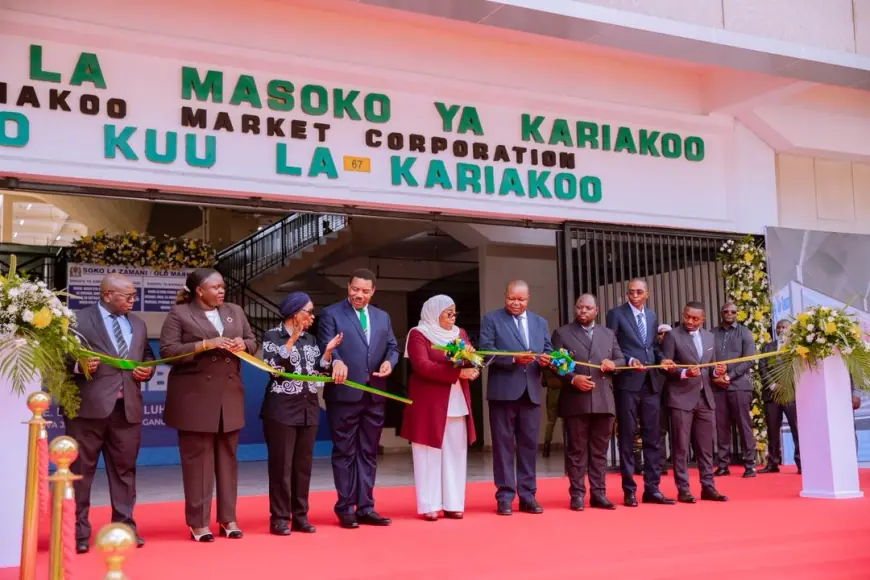
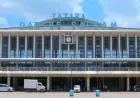
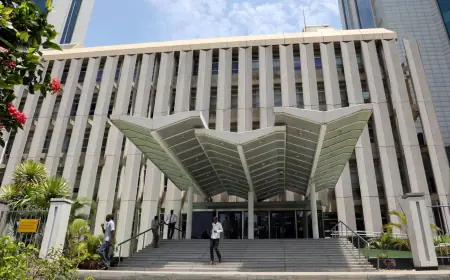
Dar es Salaam. The reopening of the Kariakoo International Market after more than four years of reconstruction marks a significant chapter in Tanzania’s commercial history.
From the ashes of the devastating fire of July 2021 to its official reopening in February 2026, the journey has been long, costly and politically charged.
Yet, as impressive as the new structure appears, the ceremony merely signals the beginning of a far more complex and demanding task: the revival of the entire Kariakoo Trade Hub as a modern, competitive and internationally attractive commercial ecosystem.
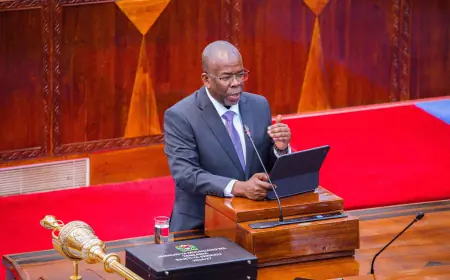
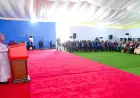
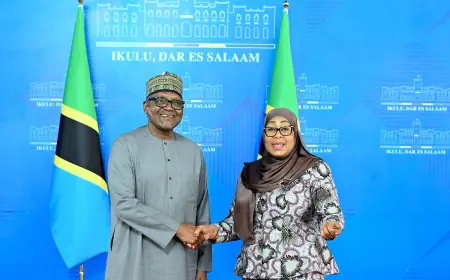
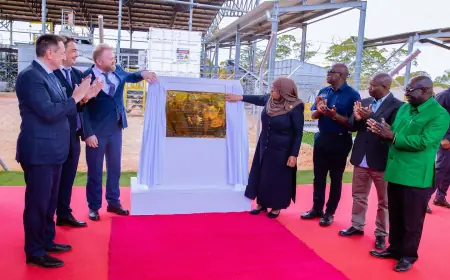
Speaking at the inauguration, President Samia Suluhu Hassan was unequivocal that the rebuilt market must serve not only local traders, but also reclaim its historic role as a regional trading nerve centre.
“Kariakoo must once again become a place where traders from within and outside Tanzania can conduct their business efficiently, safely and without unnecessary barriers,” she said.
“This market must work for the people, and it must work every hour of the day.”
For decades, Kariakoo functioned as the beating heart of Tanzania’s commercial life and a magnet for traders from Kenya, Uganda, Rwanda, Burundi, the Democratic Republic of Congo, Zambia, Malawi and Mozambique.
Its appeal lay in accessibility, speed and scale. Goods flowed rapidly from the Port of Dar es Salaam into Kariakoo’s warehouses, shops and stalls, before being redistributed across the region.
Over time, however, congestion, fragmented logistics, bureaucratic procedures and declining infrastructure steadily eroded that advantage.
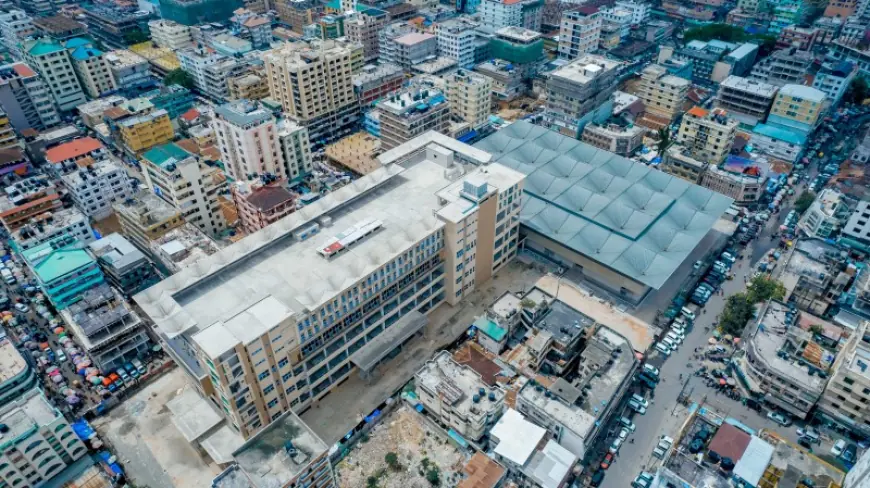
The President’s insistence on 24-hour operations is therefore not a ceremonial flourish, but a strategic directive aimed at restoring Kariakoo’s lost competitiveness.
“A market of this scale cannot close its doors while trade continues elsewhere,” she said. “Clearing and forwarding services, banking, logistics and all supporting services must operate day and night.”
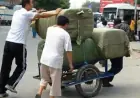
Central to this vision is the directive allowing lorries to penetrate deeper into the Kariakoo precinct to offload and onload goods directly.
President Samia instructed the management of the Kariakoo Market Corporation, Ilala City Council and the Dar es Salaam Regional Secretariat to ensure that access routes are opened, secured and properly regulated.
“Trucks must not struggle to reach the market. We have agreed that lorries should be able to enter, offload, load and exit efficiently. That is how trade moves,” she said.
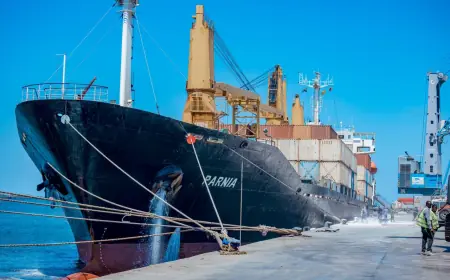
The logistics dimension cannot be separated from the performance of the Port of Dar es Salaam.
Persistent congestion, long clearance times and regulatory delays at the port have a cascading effect on Kariakoo’s efficiency.
If cargo movement remains slow and unpredictable, even the most modern market will struggle to perform its regional function. Improving port operations is therefore inseparable from revitalising Kariakoo.
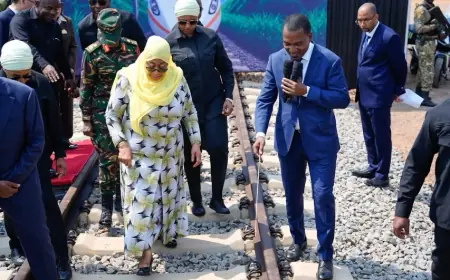
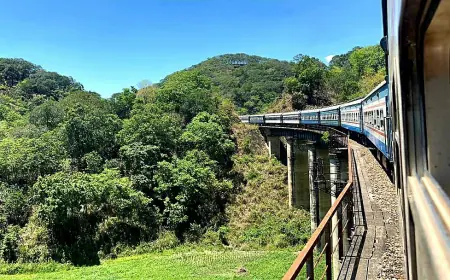
A further strategic opportunity lies in the Metre Gauge Railway, which passes directly through Kariakoo.
By leveraging this existing infrastructure, the government could establish a system whereby goods are ferried directly from the port to bonded customs warehouses within Kariakoo.
This would allow importers and exporters to clear their cargo on site, eliminating repeated journeys to and from the port.
Such a model would significantly reduce congestion, lower logistics costs, shorten turnaround times and enhance overall trade efficiency.
Equally transformative is the planned digitisation of customs processes and broader market operations.
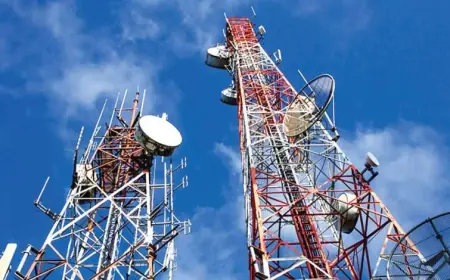
President Samia revealed that arrangements have been made to install high-capacity internet fibre services throughout the Kariakoo Market.
“We are ensuring that reliable internet connectivity is available across the market,” she said.
“All telecommunications services inside Kariakoo must be highly improved to support modern business.”
This digital infrastructure opens the door to far-reaching reforms.
Fully digitised customs clearance, electronic payments, real-time cargo tracking and online licensing systems could dramatically reduce bureaucracy, eliminate opportunities for corruption and accelerate trade flows.
Beyond efficiency, digital connectivity positions Kariakoo to evolve into an African e-commerce hub, linking physical trade with online platforms and cross-border digital marketplaces.
With appropriate regulatory support, Kariakoo could become a centre where regional traders place orders, make payments, arrange logistics and monitor shipments in real time.
This would integrate Tanzania more deeply into emerging continental e-commerce networks, strengthening its role in the African Continental Free Trade Area and positioning Dar es Salaam as a logistics and digital trade gateway.
However, such transformation will require sustained institutional coordination.
Customs authorities, port management, railway operators, local government, telecommunications firms and market administrators must operate within a unified framework. Without alignment, digital systems risk becoming fragmented add-ons rather than integrated solutions.
The rebuilt market stands as a symbol of recovery and ambition.
Yet, its true success will be measured not by architecture, but by efficiency, accessibility and trust.
If the promises of 24-hour operations, deep logistical access, rail-enabled cargo movement, port reform and full digital integration are fulfilled, Kariakoo can reclaim its stature as the preferred commercial centre for eastern and central Africa.
If not, the market risks becoming a modern shell housing old inefficiencies. As President Samia cautioned, “We have built the structure. Now we must build the systems that will make it serve the nation and the region.”
What's Your Reaction?
 Like
1
Like
1
 Dislike
0
Dislike
0
 Love
0
Love
0
 Funny
0
Funny
0
 Angry
0
Angry
0
 Sad
0
Sad
0
 Wow
0
Wow
0